
Perspective is hard. I get that! Thinking about how to make the angles right, finding the horizon line and vanishing point and knowing which objects align with which – it can be mind boggling for those who haven’t studied perspective.
But I have GOOD NEWS for you! To draw in perspective, you don’t HAVE to know about vanishing points etcetera. Especially with nature.
That does not mean you shouldn’t study perspective. (I’ve got some drawing classes on sale this month that could help if you want to.)
But instead, you have to learn to SEE. I mean really really see. Not just think about what the object looks like that you’re drawing, which is usually where the mistakes come from. We assume we’ve seen that object for our whole lives so obviously we know whwat it looks like.
I would daresay seeing accurately is a much harder thing to learn, but for those who really don’t want to study perspective, that’s your out! Learning to see in addition to understanding perspective is the best option, since the latter helps you know what to look for in the former.
But let’s just start by looking at some photos and compare the original with some perspective mistakes I see quite consistently.
Tutorial: Perspective in Nature: Puffy Clouds, part 1
Watch the video below and scroll to the end to leave comments or questions — or click HERE to watch it on YouTube and leave comments over there. I read both dutifully!
In each example, tab through the sliders to see each photo.
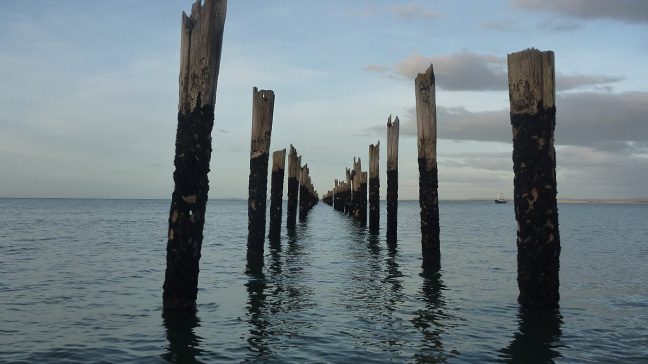
While not a path, this photo illustrates what we often think of as one point perspective even if we don’t know what it’s called. Things are bigger in front, and get successively smaller in the distance.
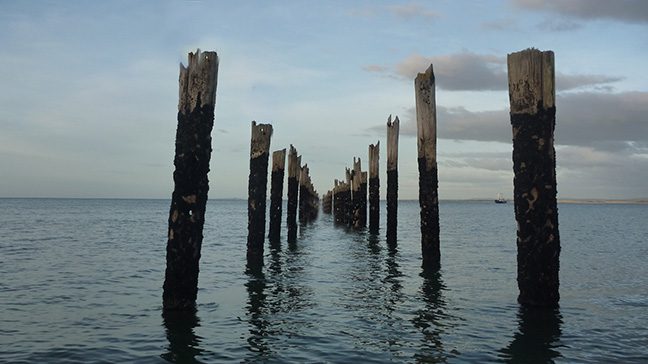
In the 2nd photo, the perspective is off – shortening a front piling. as well as the distant pilings being too low in the wate.r
The road in this photo is wider in the foreground than in the distance. Making those two closer to each other in the 2nd photo lengthens the distance of the road. But in photo 3, making it extra wide may be more engaging as it brings the foreground closer, even if it’s less accurate.
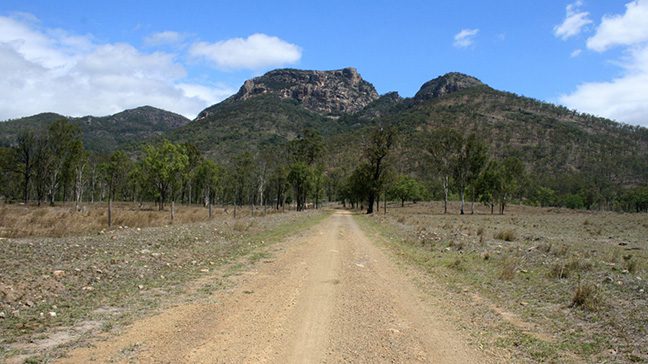
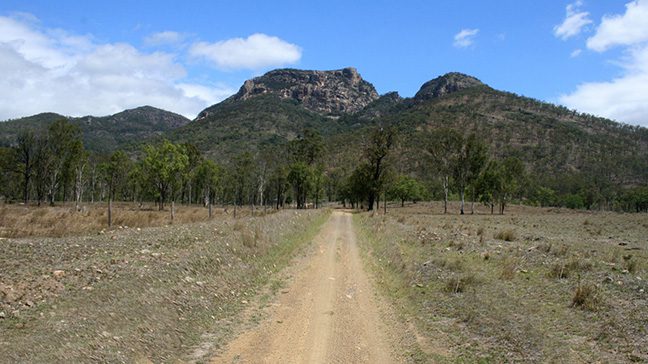
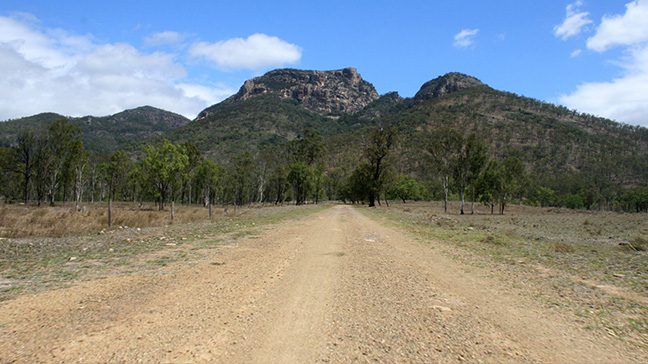
Including some of the interesting details along a road tends to make it look more embedded into the landscape. Simplifying and changing the width of the road in photo 2 creates additional challenges, as the end of the road looks like a change in the formation of the land. A good change one could consider is placement and width of the near side of the road to take it out of center and bring it closer to the viewer.
Subscribe to receive blog posts by email:
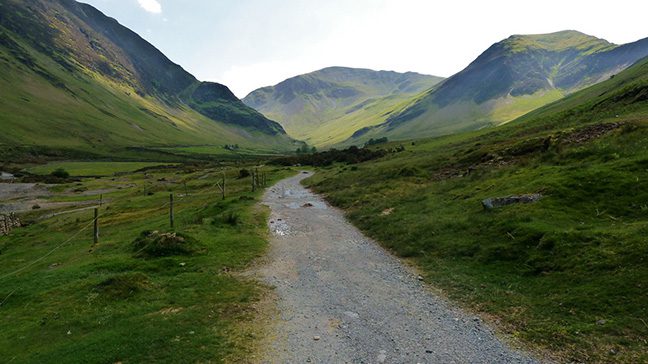
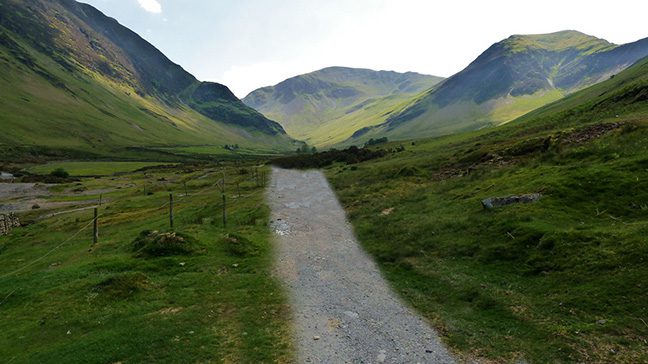
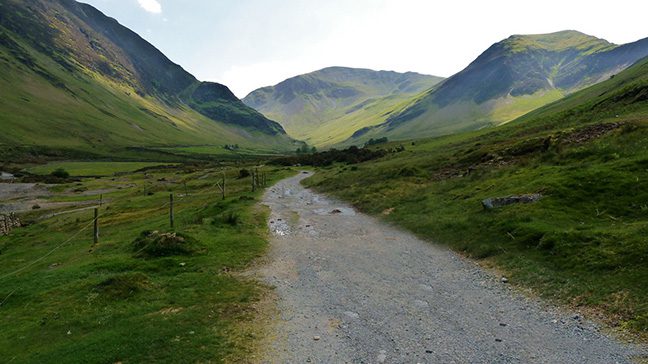
If we start sketching or painting while only thinking about a path in our head – we can really go off track! Photo 2 shows how the knowledge of reality – that it’s a paved path consistent in width – leads to a wacky looking road. But paying attention to where it gets thinner indicating hills, and the angle and shape of the point in the distance where it ends –that helps get us on the right path. Ha. I’m so punny!
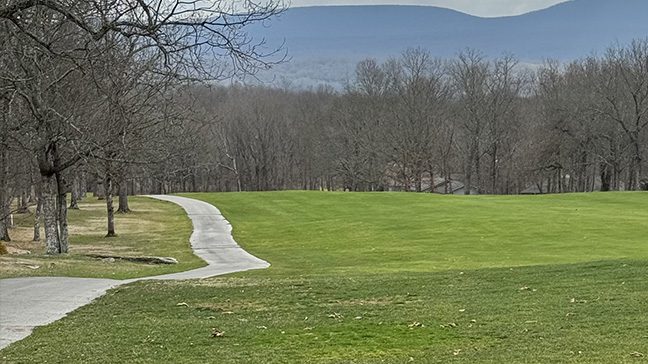
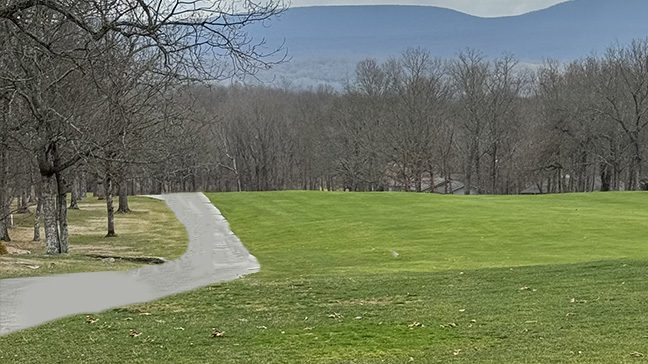
Not looking at the actual angles of different parts of your drawing can lead to a scene that feels more like a funhouse in photo 2!
Try holding your pencil out in front of you, measureing how farr off of horizontal or vertical that a particular shape or edge is. Then translate that to your paper, constantly checking back with your reference.
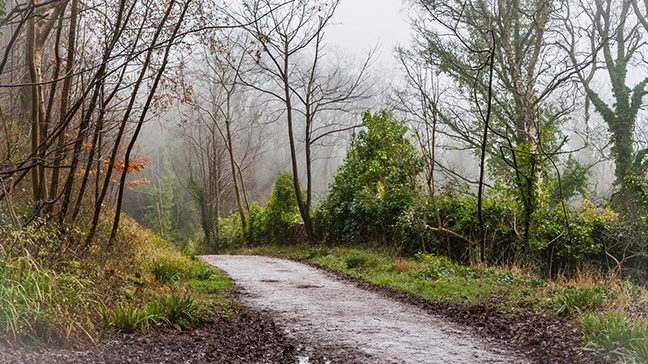
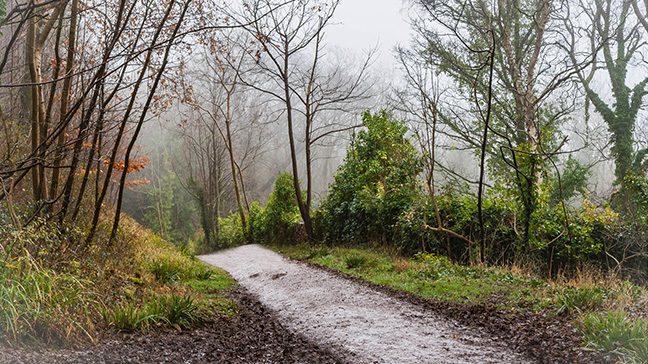
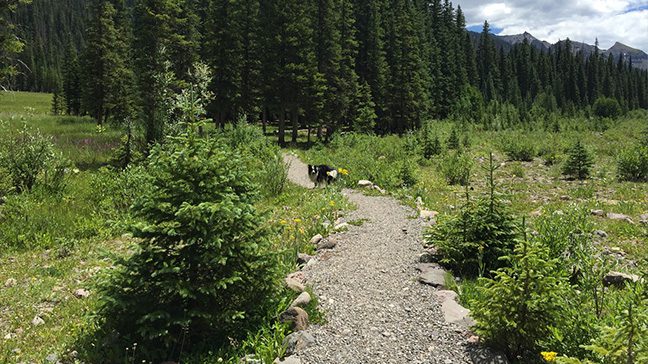
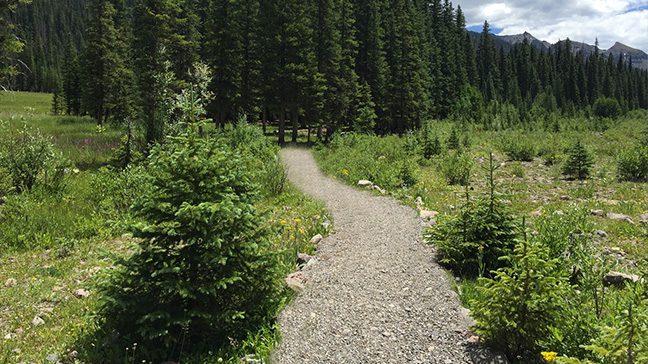
When looking at a road or path, look for objects that DISRUPT that path. Are there bushes cutting off part of it or intruding into it? Does the path disappear behind an element in the scene? Those elements can take a flat looking road or path and turn it into one that fits in with the nature elements around it.
In part 2….
I’ll be talking about those times when you don’t have a reference and are trying to make a scene up from your head. Click here to go see it!





Ha, nope! That’s an old term invented by the Vlog Brothers on YouTube. I liked it so much I use it too. 🙂
Are you the original creator of dooblidoos??