Castle Arts Soft Touch: 5 Pros, 5 Cons, 1 Hex Chart, and a fancy drink

Castle Arts Soft Touch: 5 Pros, 5 Cons, 1 Hex Chart, and a fancy drink

Over the last year or two, I’d heard time and again about how great these pencils were. Since you can get a full set for just under $50US (at the time of this writing), I couldn’t imagine it. 

Then I saw a review from a quite trusted artist, and thought I should just try them. I can’t buy all the sets but this one could be squeezed from my budget.
Tutorial: Castle Arts Soft Touch: 5 Pros, 5 Cons, 1 Hex Chart, and a fancy drink

Watch the video below and scroll to the end to leave comments or questions — or click HERE to watch it on YouTube and leave comments over there. I read both dutifully!

SUPPLIES

Some product may be provided by manufacturers for review and use. Compensated affiliate links are here at no cost to you. I appreciate your support of my work with your purchases! Full affiliate and product disclosure | My trusted partners in art

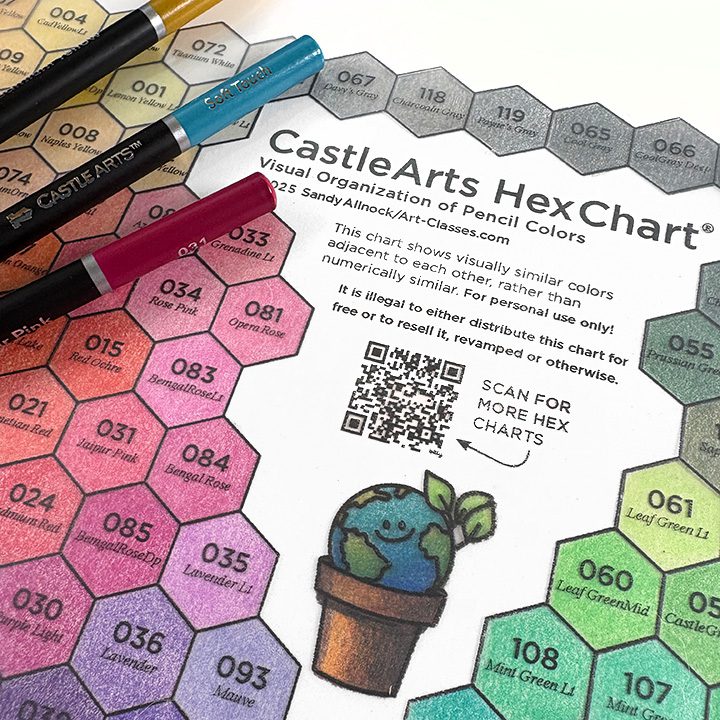
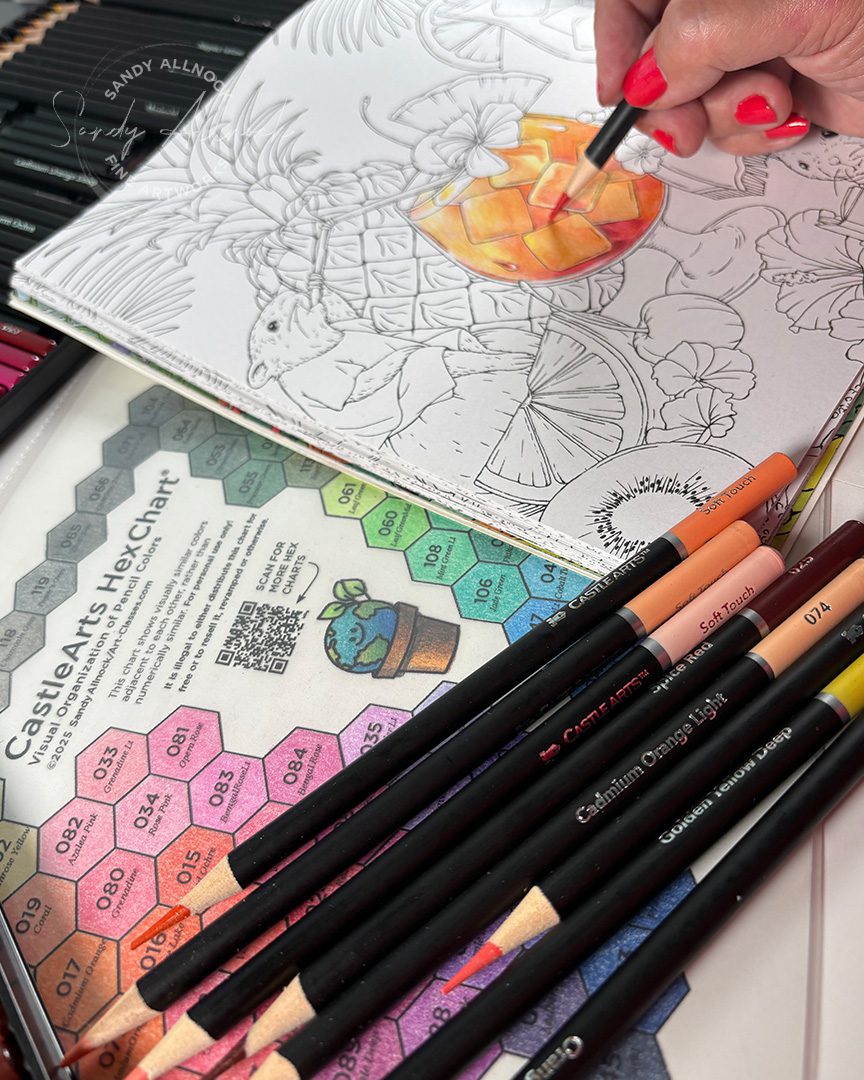
0Castle Arts Soft Touch Hex Chart

And yes, there is a hex chart for this 12o set! It’s possible you can use this chart with other Castle Arts supplies since theyre the same colors!
 

Pencil markings, sharpening

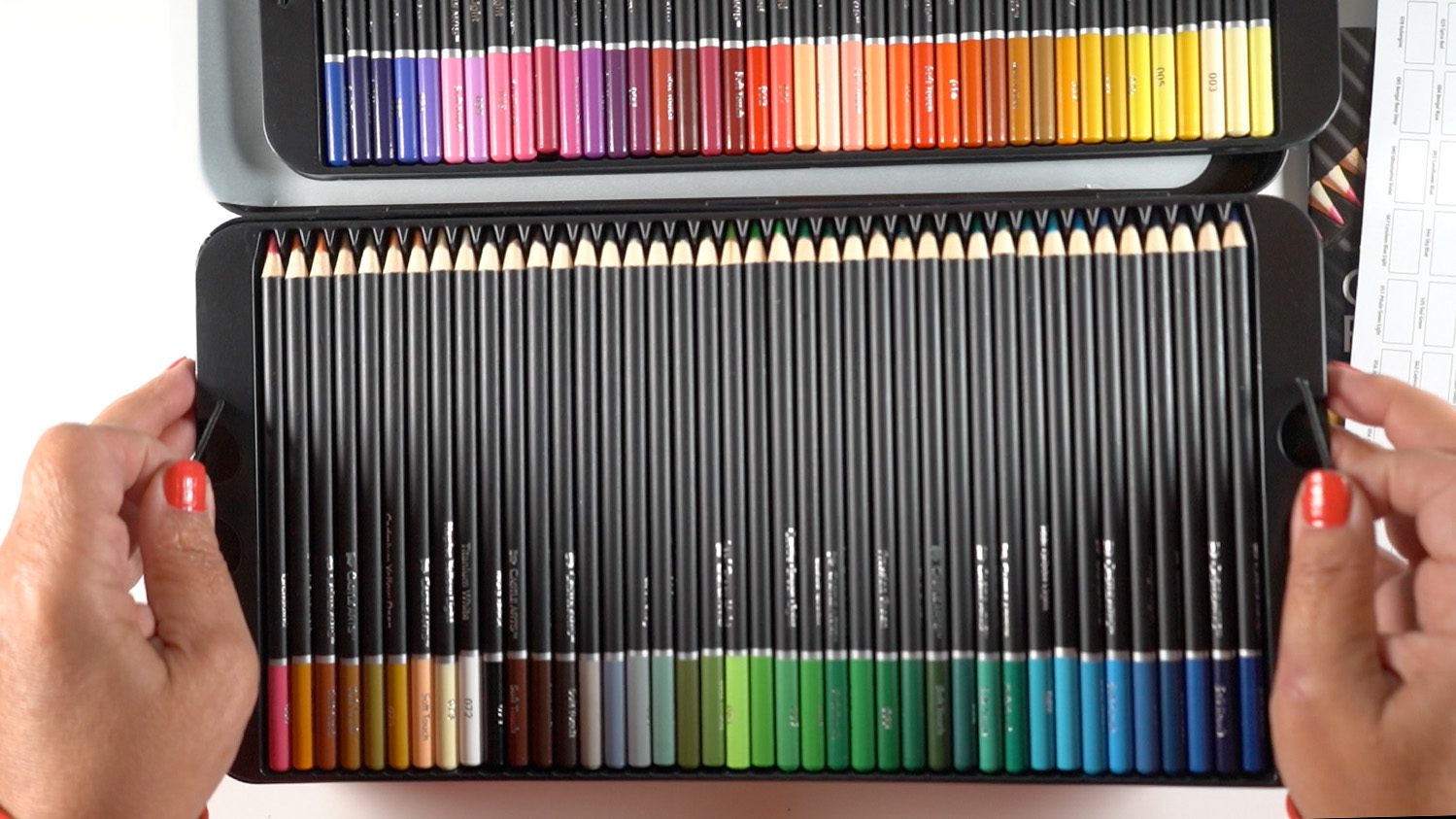
For bargain pencils these have a nice big pro in my world: big bold letters and numbers on the barrel. The color end doesn’t often match the pigment, but you can get to know the pencils and that’s not as much trouble. The wood is fairly cheap though. And you can’t eplace just one color so stick to smaller elements to color in this brand or you have to buy a whole box to replace one color.
Blendability, color selecion

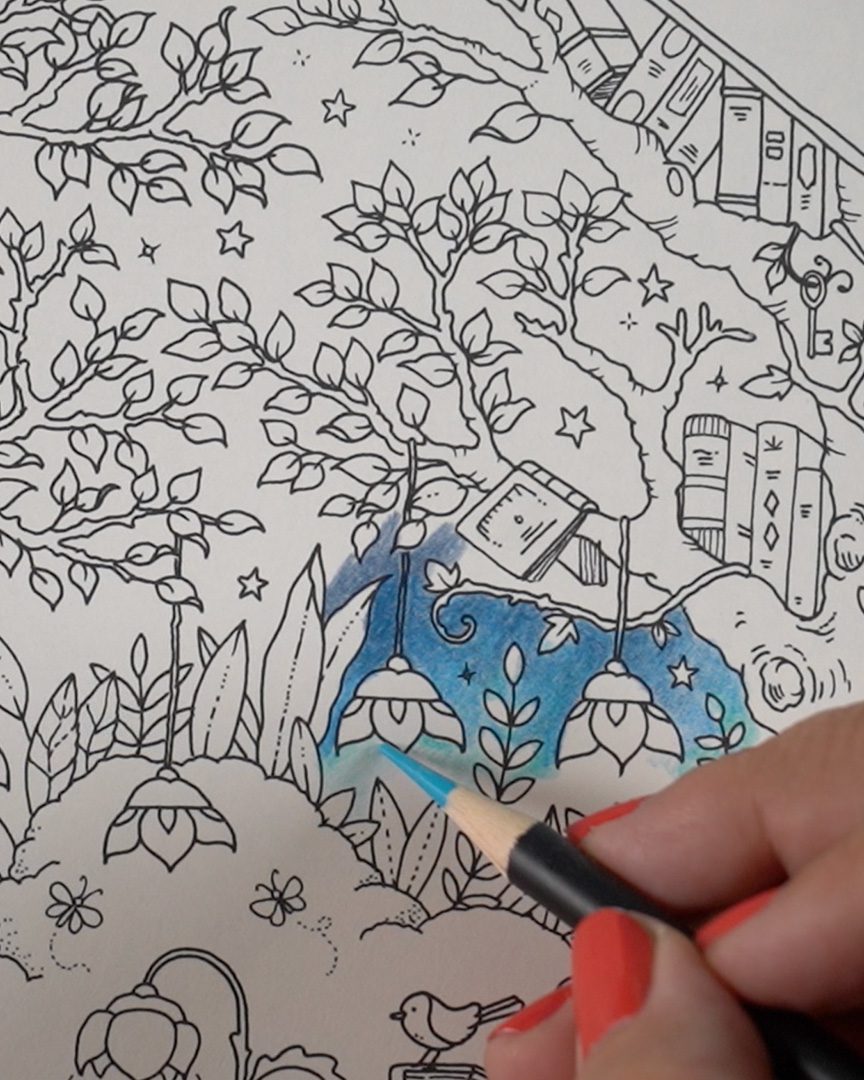
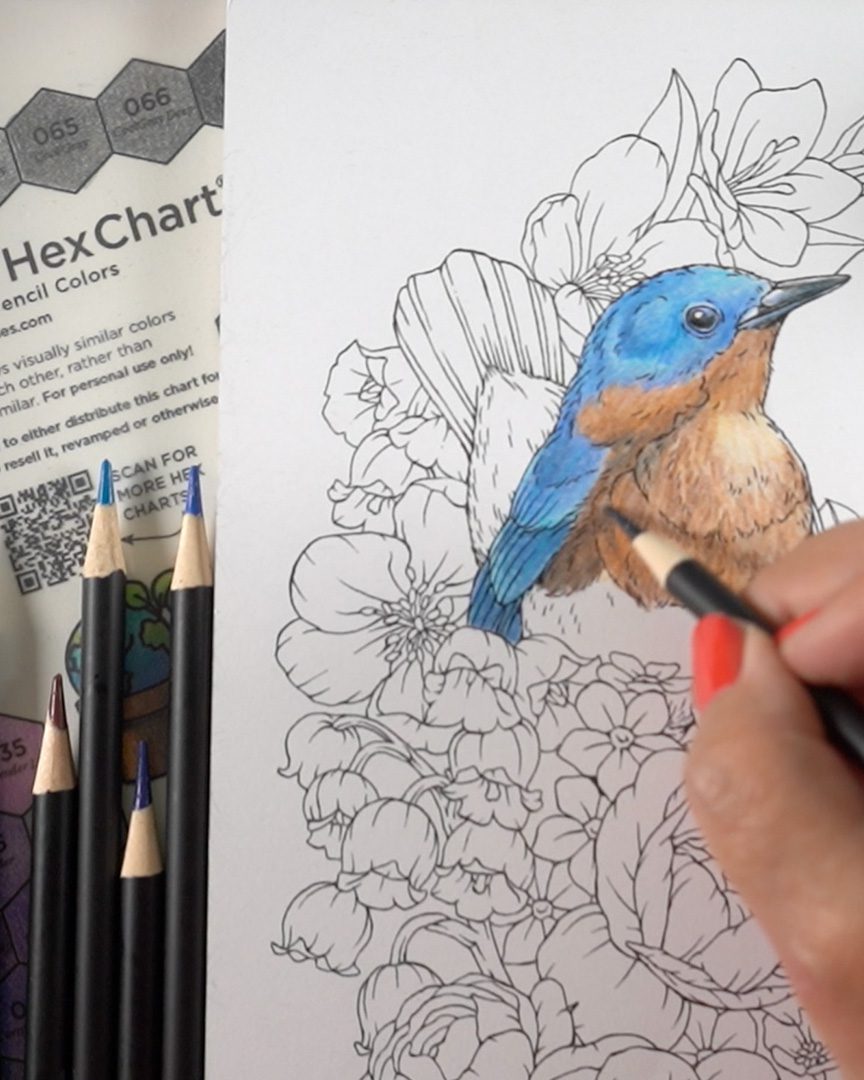
Nicely blendable wax based pencils, yet the leads aren’t fragile like Prismacolor. So they’re likePolychromos but usually softer, though smoe individual colors are on the scratchy side. This set is full of brights though! Lots of rainbow colors, few neutrals, so you have to mix complements to create your own desaturated hues.
Performing as usual

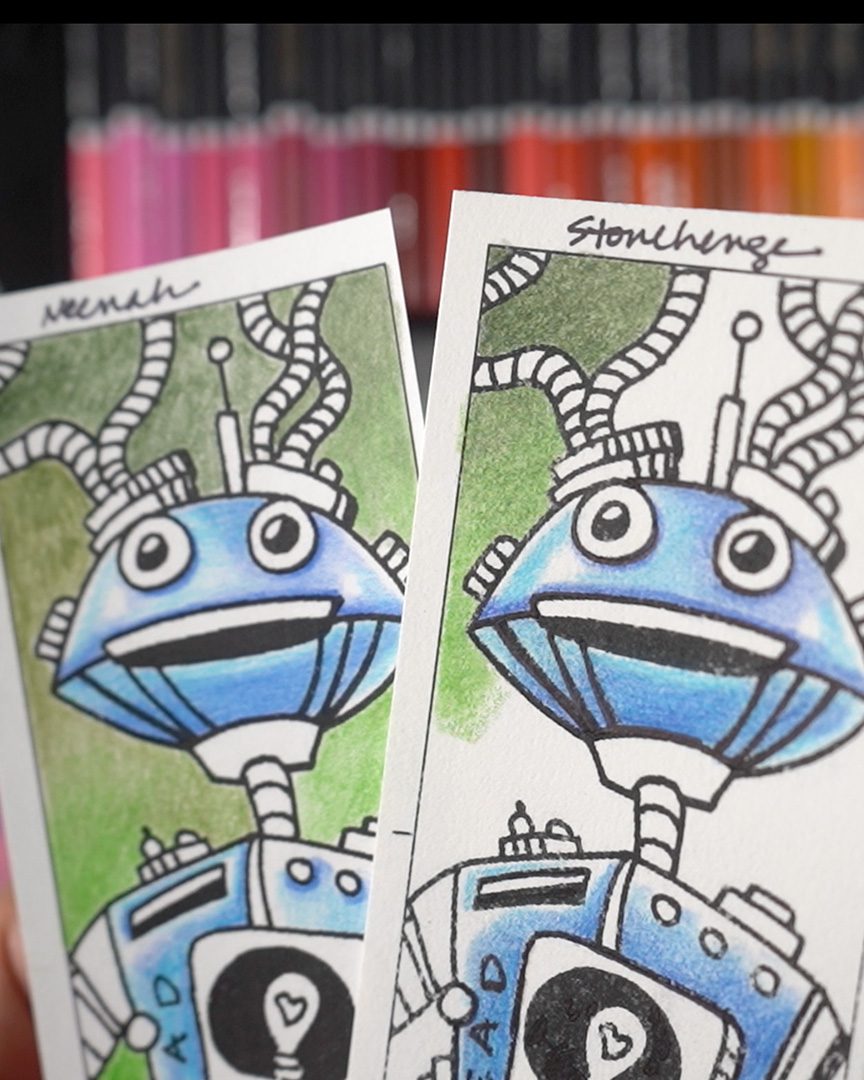
On other papers these pencils were pretty typical. Neenah cardstock provides a smooth look but is really hard to get a large flat area; on Stonehenge the texture works great with these pencils.
How to color a fancy drink

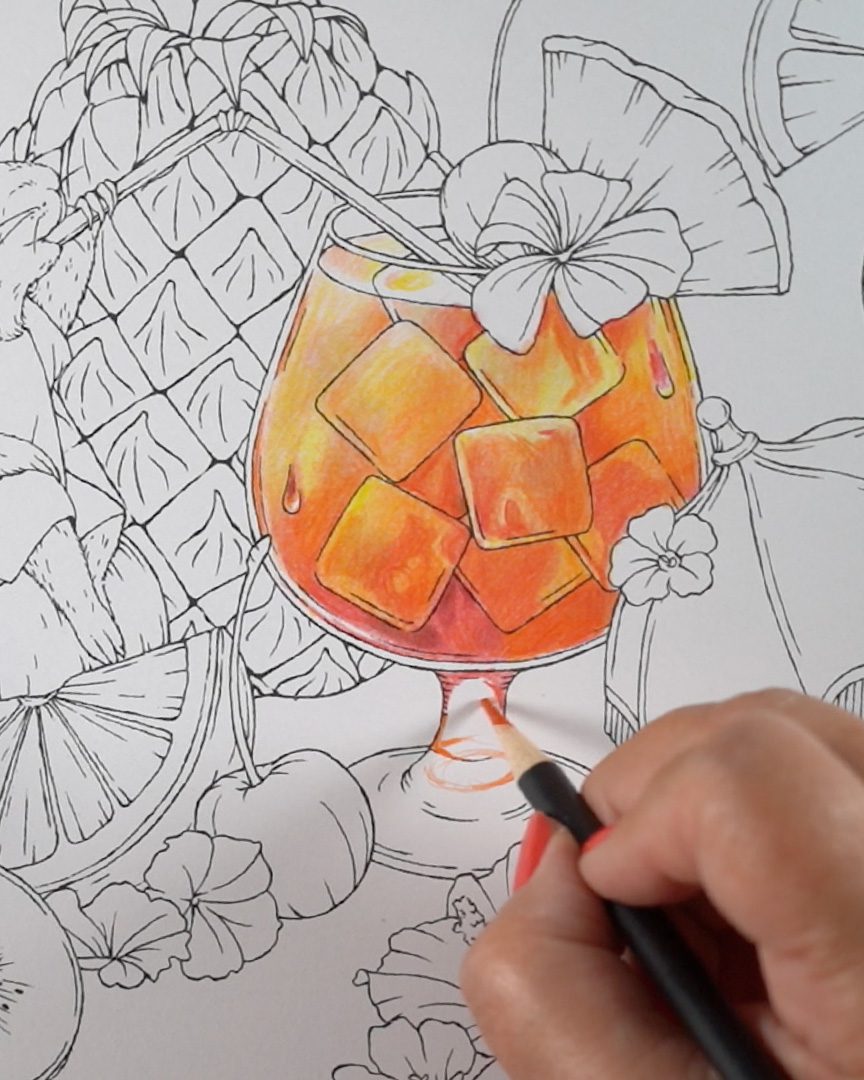
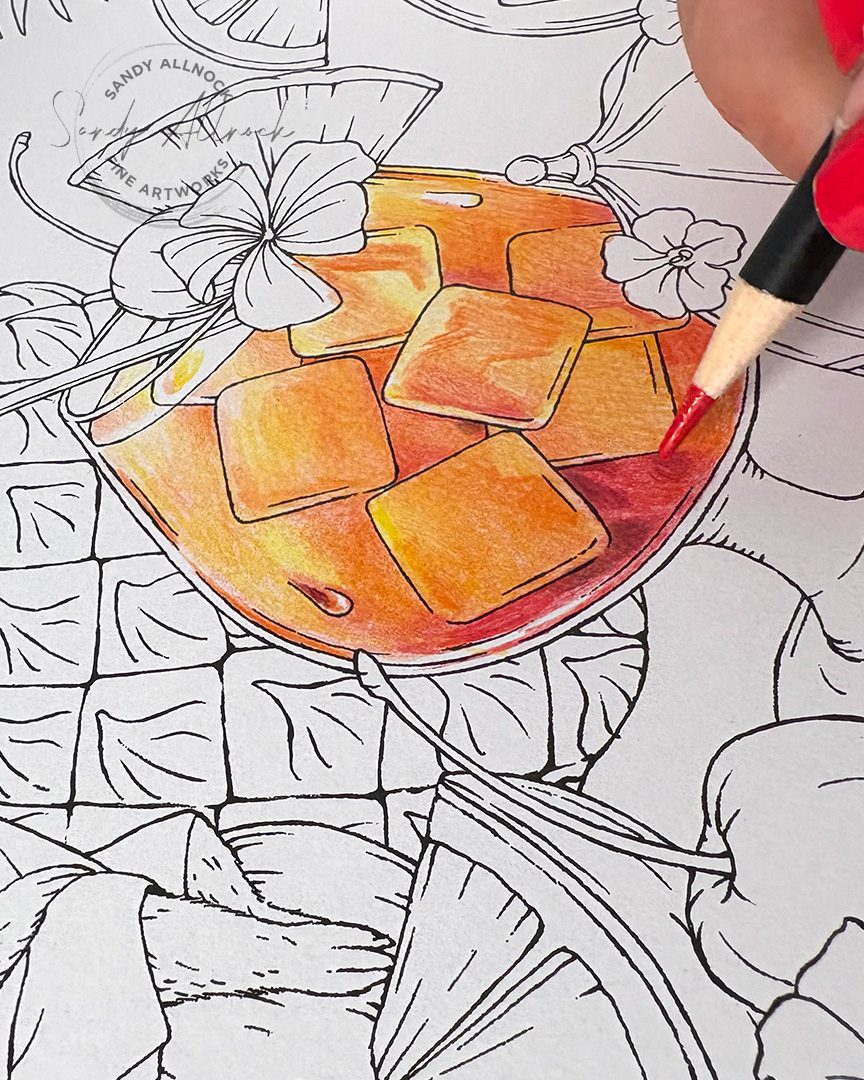
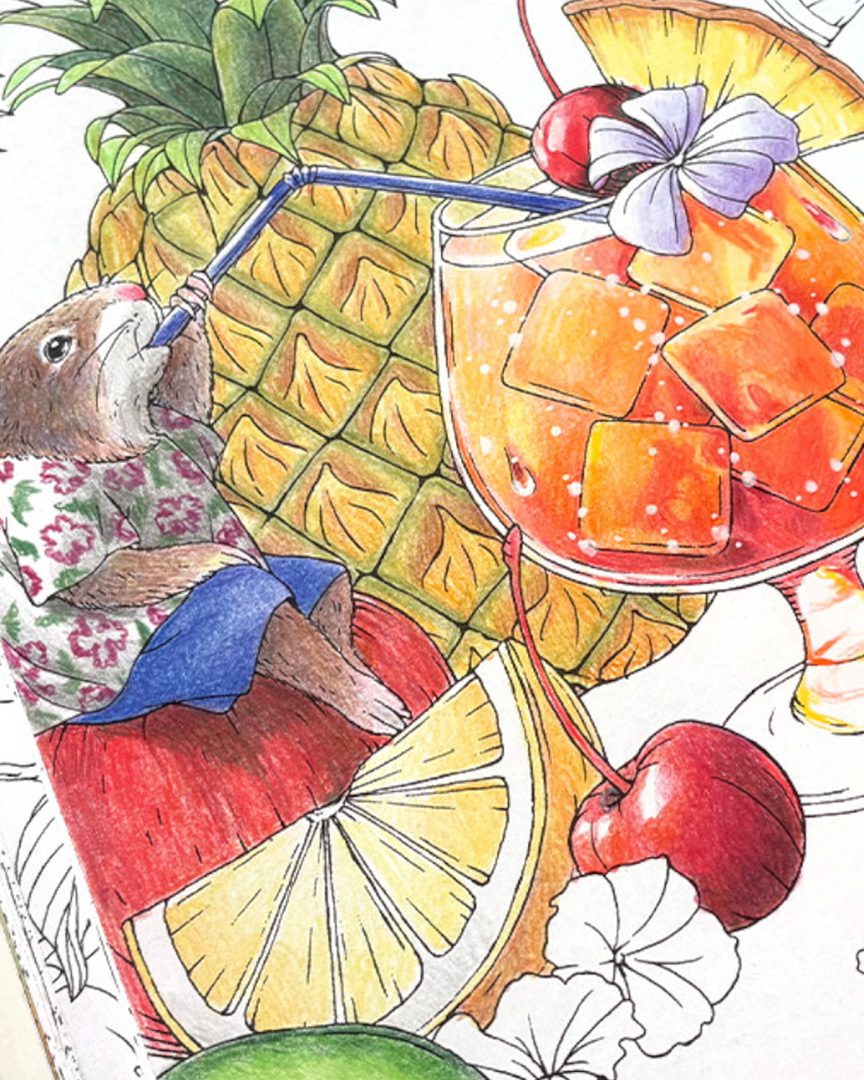
Layers! Start light and add deeper color as it gets to the bottom where the strawberries are! 
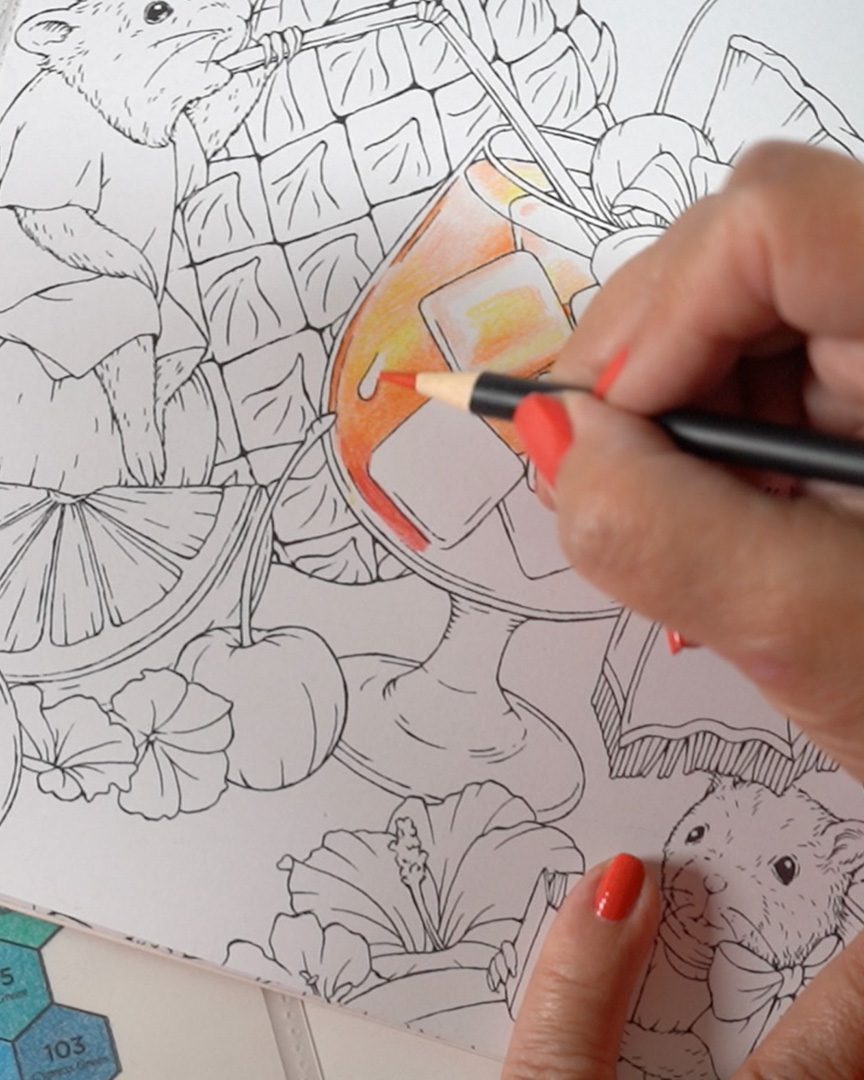
The neutral colors in the rest of the picture are made from complementary colors, opposite each other on the color wheel.

Subscribe to receive blog posts by email:

Overall assessment

These pencils are good for the price; a great starter set especially for a young artist. And if you’re a marker artist in need of colors to add detail, this would be a great option. 

For a constant pencil user, I can only imagine not being able to replace a single pencil as they wear out. And for a fine artist—be very aware that selling a piece that isn’t lightfast is okay, but you need to price it much lower and be sure the buyer knows what they’re getting.
Closing thoughts and question

text
Relative Color Study: unexpected hues

Relative Color Study: unexpected hues

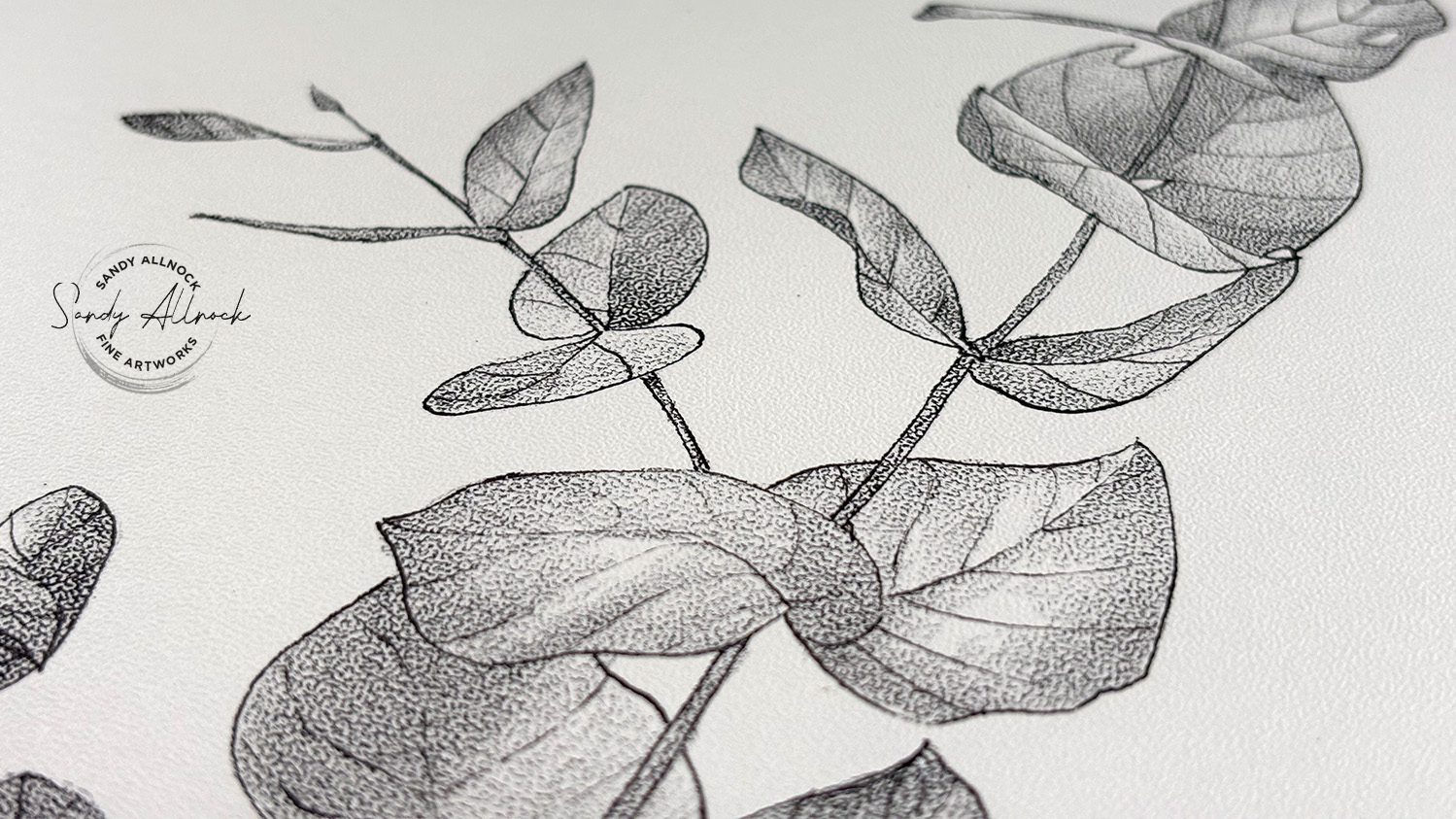
About two weeks ago, I shared some new Stipple Texture paper and a simple black and white drawing – and it was so quick and easy in one color! I highly recommend this paper for such a technique – here’s a look at it, and you can see the whole video on this post:

I was very excited to then try it in color – and found some hitches in my giddyup! First was that the paper, without special treatment (read on for other things to try), is not quick at mixing colors in a dense drawing. Whoops! I picked a poor subject for this, but since this piece is in honor of my Mom (who I spent a ton of “time” with in my heart as I worked on this!) – I decided that she’d be proud of her artist daughter for going wild on colors.

Read on in this post for my thoughts on the pros and cons, and my verdict on stipple paper!


Tutorial: Relative Color Study: unexpected hues

Watch the video below and scroll to the end to leave comments or questions — or click HERE to watch it on YouTube and leave comments over there. I read both dutifully!

SUPPLIES

Some product may be provided by manufacturers for review and use. Compensated affiliate links are here at no cost to you. I appreciate your support of my work with your purchases! Full affiliate and product disclosure | My trusted partners in art

Paper

  1. Bee Paper, Stipple Texture paper 9×12: BLICK  AMZ 

Prismacolor Pencils:

  1. Pumpkin Orange 
  2. Peacock Green 
  3. Violet 

Pens

  1. Micron Pigma Pens BLICK AMZ  JACKSONS 

Tips

Give them more tips

Challenges: contrast

This paper has such a texture that filling in the “white spots” between the stipple dots is tough; there are things you can try to overcome them but for this first drawing I wanted to just stick with layering color. 

  1. You might try drawing any real “black” areas with a pen first – that could be what was done on the tiger drawing on the pad’s cover.
  2. You might try blending solution – but I didn’t want to go there simply because the transition when stopping the blending solution into an area that should take on the stipple texture could be very hard.

I found my 1 color drawing with a dark pencil gave me a wider range than this drawing – my dense subject made life hard, but that just meant more time with mom. 🙂

Subscribe to receive blog posts by email:

My happy place!

I absolutely LOVE how colors layer and play with each other on this stipple texture! It might not be the easiest surface, but it comes out with a lovely evenness that lets the colors take turns popping to the top rather than dragging each other around like it can do on some of the other colored pencil papers I’ve used.

The verdict

While this is only two drawings done on this paper, I DO like it. For those without a lot of time I’d suggest simpler images and one color – that’s quick! Anything that has a lot of open space could be nice too….but if you decide on a dense drawing like this – be prepared to spend some time. 

However – pick some strange colors! The orange, purple, and green I selected are the secondary colors in the color wheel – and boy were they fun to play with!

AMA! (Ask Me Anything)

AMA! (Ask Me Anything)

I had hoped to make progress on my drawing for Mother’s Day – but this past few days have been a bear! So instead, enjoy a little Q&A – which got a little long and complicated in production, but hey. At least I finally got some questions answered!

Tutorial: AMA!

Watch the video below and scroll to the end to leave comments or questions — or click HERE to watch it on YouTube and leave comments over there. I read both dutifully!

SUPPLIES

Some product may be provided by manufacturers for review and use. Compensated affiliate links are here at no cost to you. I appreciate your support of my work with your purchases! Full affiliate and product disclosure | My trusted partners in art

SKETCHBOOK EASEL

  1. Trues Hard Goods Sketchbook Easel Etsy 

PEN AND INK

  1. TWSBI Eco fountain pen F  Amazon

WATERCOLOR:

  1. Whiskey Painters Mini palette https://amzn.to/40tiYkY
  2. Arches Watercolor Travel Sketchbook: BLICK https://bit.ly/3UAG9JL AMZ https://amzn.to/4f77onF
  3. Brushes depend on where/what I’ll be painting that day. 

GOUACHE:

  1. Daniel Smith Gouache BLICK  JACKSONS 
  2. Jack Richeson brush set: BLICK  AMZ 
  3. Joybest airtight palette AMZ

Links mentioned in the video:

VIDEOS mentioned:

  1. Free video post about book Patreon
  2. Stippling paper video YouTube
  3. Phenology Wheel Playlist YouTube
  4. Open Studio Zoom call May 17: See event calendar at Artventure

CLASSES mentioned:

  1. NEW Bible Journaling colored pencil class Fruit of the Spirit
  2. NEW Snack Class, Color Theory Ella
  3. 30 Days to More Confident Watercolor Sketching

Phenology Wheel Updates

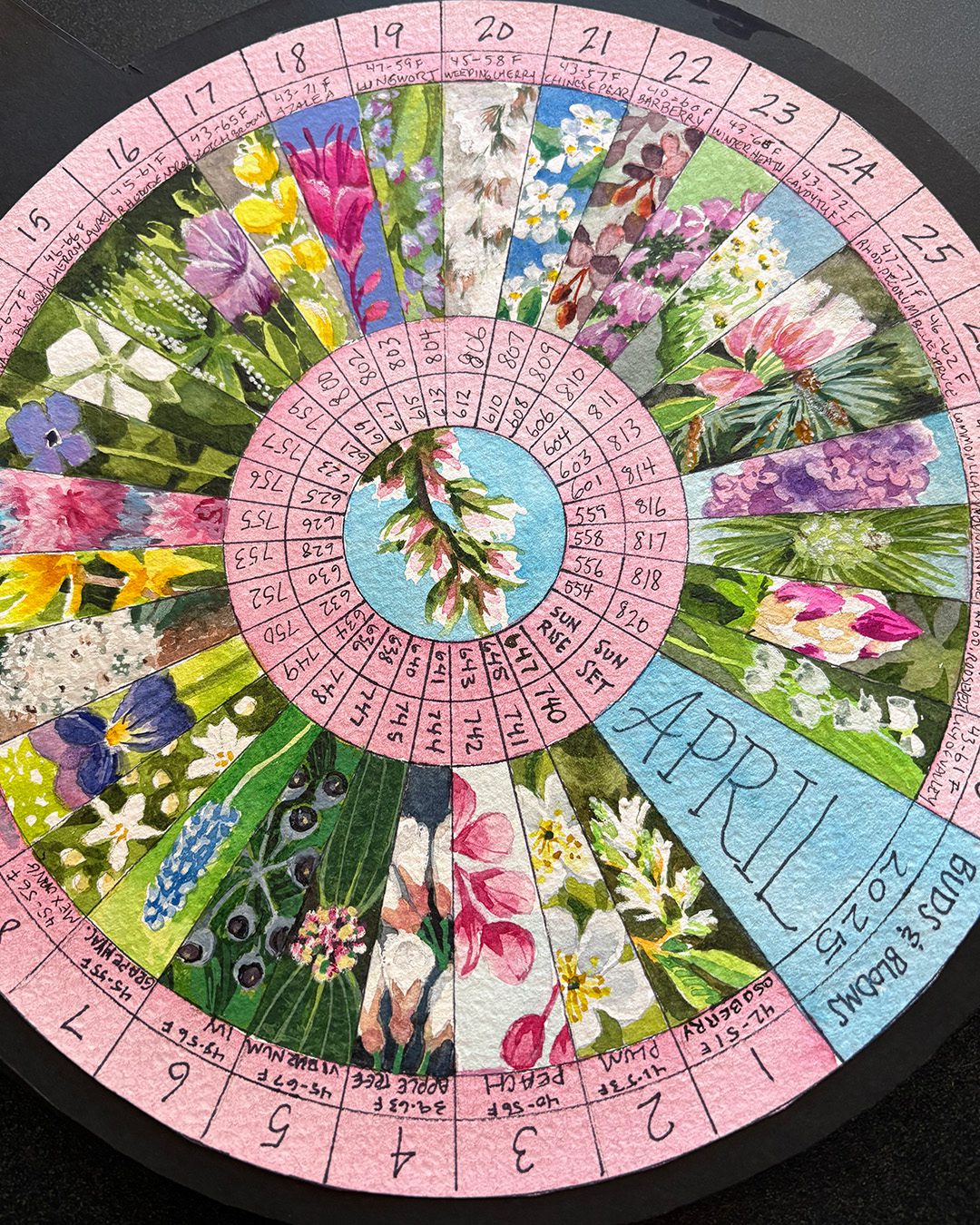
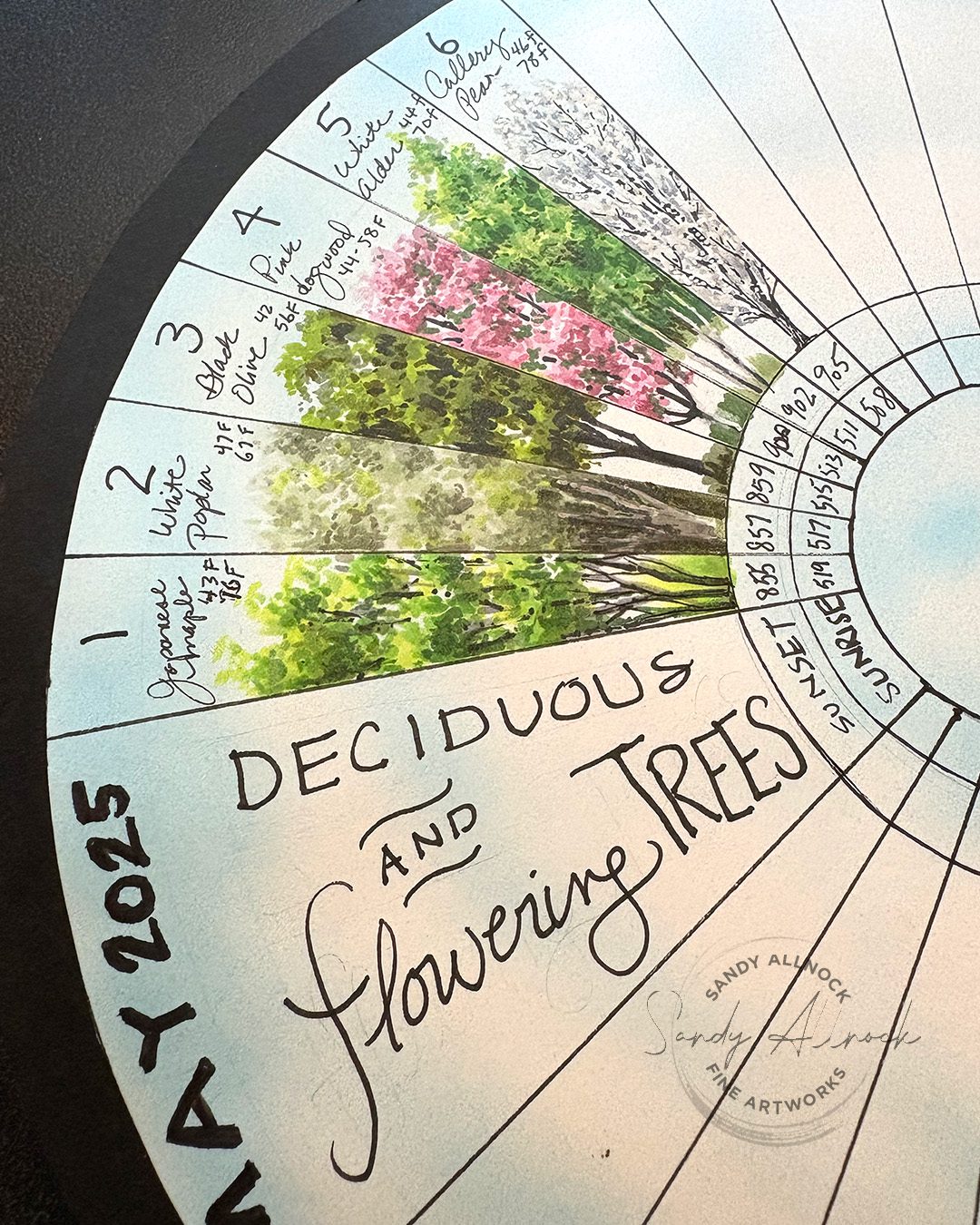
April’s watercolor + gouache buds and blooms are all done – it came out so pretty! And May is underway, alcohol markers for deciduous and flowering trees, because I don’t know the names of these trees growing all around me.

Subscribe to receive blog posts by email:

Newest classes:

Fruit of the Spirit Bible Journaling

Learn to draw 9 animals and a stack of fruit in beautiful pages for your journaling Bible – all in colored pencil.

Color Theory Ella

Sweet little Ella will teach you how to mix beautiful colors to build up the ones YOU want! A nice little “snack” class at a snack price!

Color Theory: Make yourself THIS color chart!

Color Theory: Make yourself THIS color chart!

I know a lot of people love making color charts….but I’m not that person. I can, however, recommend some charts—because they’re ones that really teach.

A lot of charts are just kept in notebooks and give us an excuse to waste our time looking through them again and again. Or they serve as a procrastination tool. Or a way to just have something to do when we’re stumped. 

All those may be reasonable purposes sometimes. But since I rarely have much extra time on my hands, any chart I make has got to have a good reason to exist. And this chart – or shall I say, the PS added to this chart – is one that may really help those who struggle to figure out what color to use to shift a hue, or to darken or desaturate a color. 

Tutorial: Color Theory—Make yourself THIS color chart!

Watch the video below and scroll to the end to leave comments or questions — or click HERE to watch it on YouTube and leave comments over there. I read both dutifully!

SUPPLIES

Some product may be provided by manufacturers for review and use. Compensated affiliate links are here at no cost to you. I appreciate your support of my work with your purchases! Full affiliate and product disclosure | My trusted partners in art

Paper

Create this on whatever paper you love to work on!

  1. The sample is on  Bee Paper, Stipple Texture paper 9×12: BLICK https://bit.ly/3GuXorS AMZ https://amzn.to/4dap55L

Pen

  1. Micron pen set Sakura Micron Pigma Pens BLICK  AMZ  JACKSONS 

Colored pencils

Use your favorite brand!

  1. Prismacolor Premier Colored Pencils BLICK  AMZ

To create this chart

Choose colors; I recommend a light and medium yellow, red (pink) and blue. You can choose cools in one trio and warms in another – but in time hopefully you’ll start to learn what happens when one color is added to another and not need to find swatch charts for them.

Steps:

  1. For a 6 color chart, draw 6 boxes across, 6 down. (1/2″ is just fine.)
  2. In the horizontal rows, color the same hue all the way across. Concentrate on getting a nice consistent medium pressure every time.
  3. In the first column, color the first color on top of the colors already in the squares. That’ll show you what happens when this color is on TOP.
  4. In each column do the same.
  5. The second time  you’re coloring the same pair of hues, it’ll show you the opposite order from #3 above.
  6. Then create threesome swatches with a blend into white.
    1. Start with one of the blues, add the light red (pink) and light yellow, adjusting to see what it takes to get them to be brown and grey.  Make a block with the 2nd blue.
    2. Then create a pair of blends with each blue, adding the medium red (pink) and medium yellow.

The type of learnings to watch for:

  • Which yellow has more or less effect on other colors?
  • Does a warm or cool pink make a better purple?
  • When shifting from a greenish color to a neutral, what color do  you need to add?*

*hint: red + yellow + blue = neutral. Add the one that’s the least prevalent in the color that needs adjusting!

Subscribe to receive blog posts by email:

Coming by Tuesday

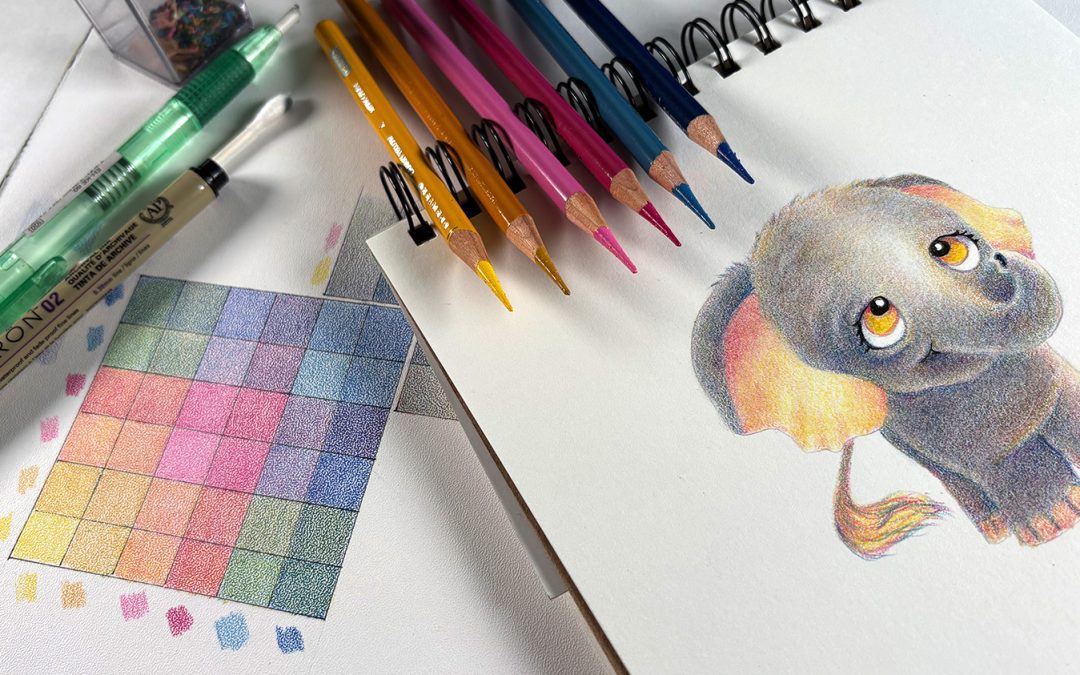
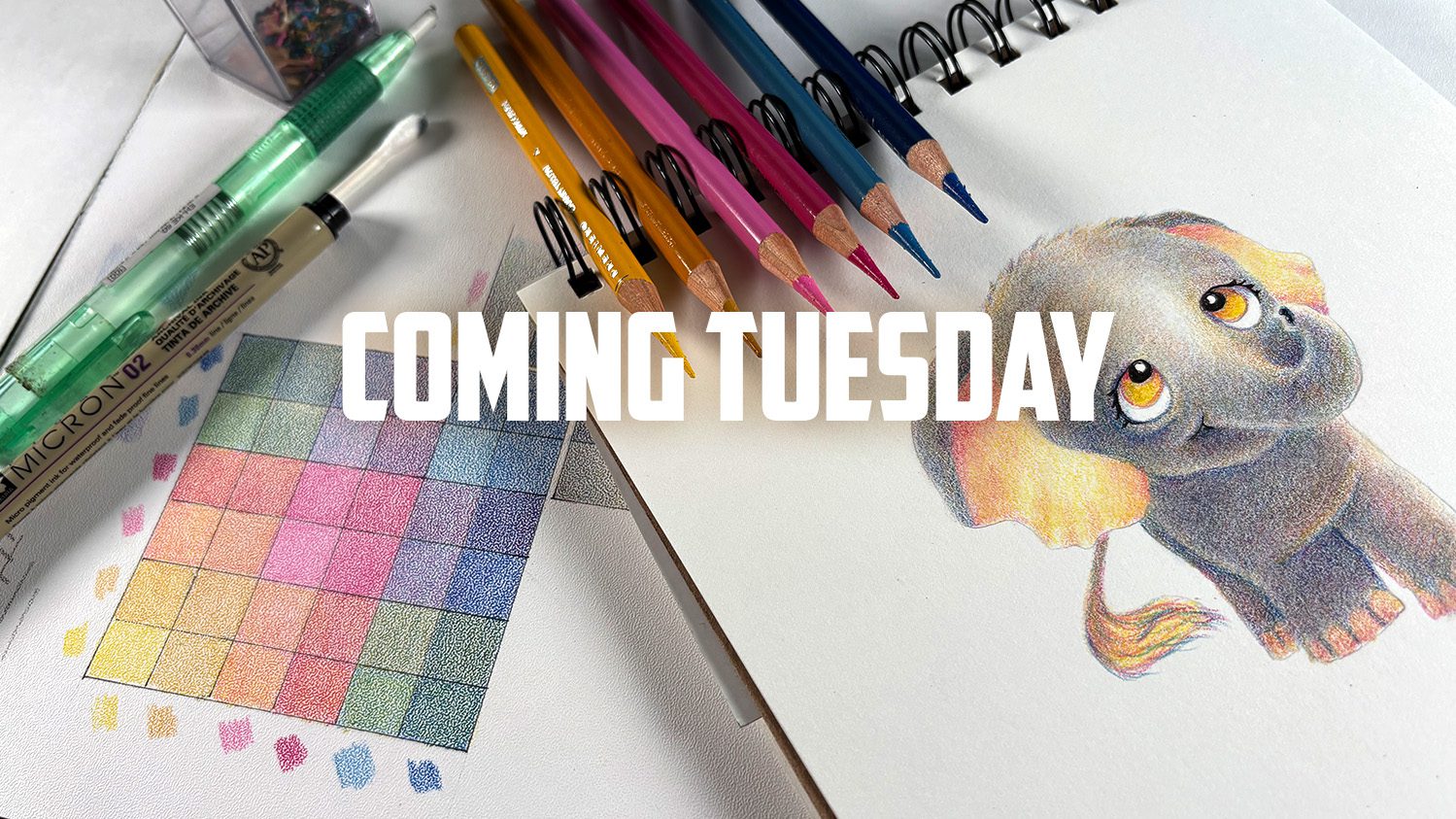
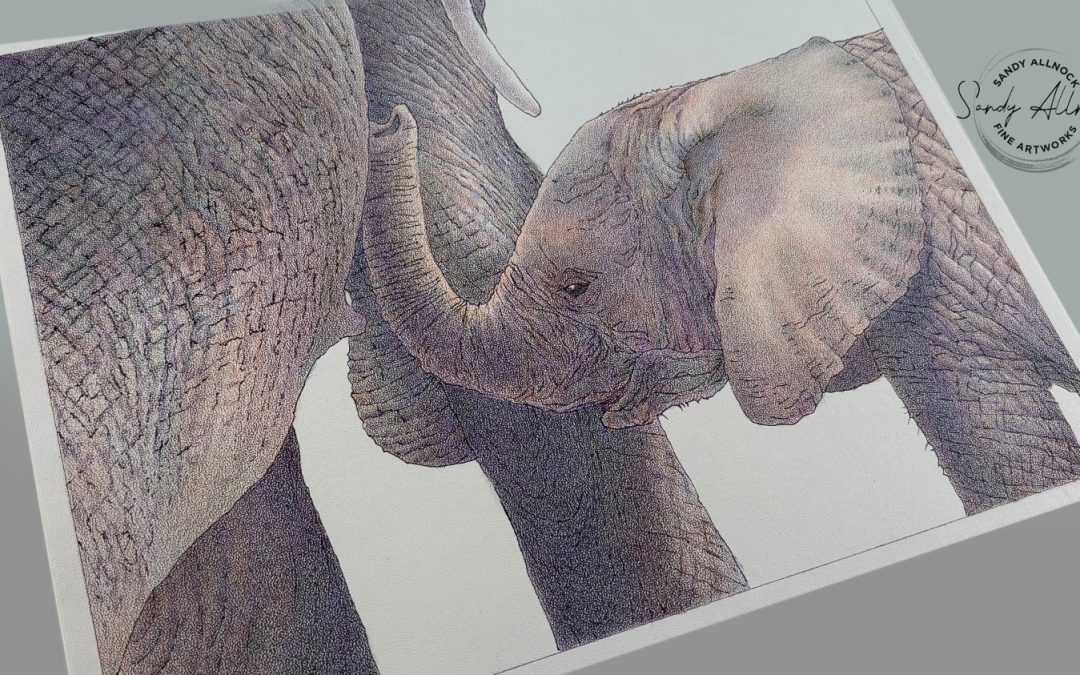
Once I finish editing, this little elephant will be available as a snack class – those are little courses that are nicely inexpensive – which is perfect for tough economic times! I’ll be trying to add more of those in the coming months as well as some of the bigger classes with deeper learning. Let me know if you think of a great name for this little course!

What is Tomoe River Paper?

What is Tomoe River Paper?

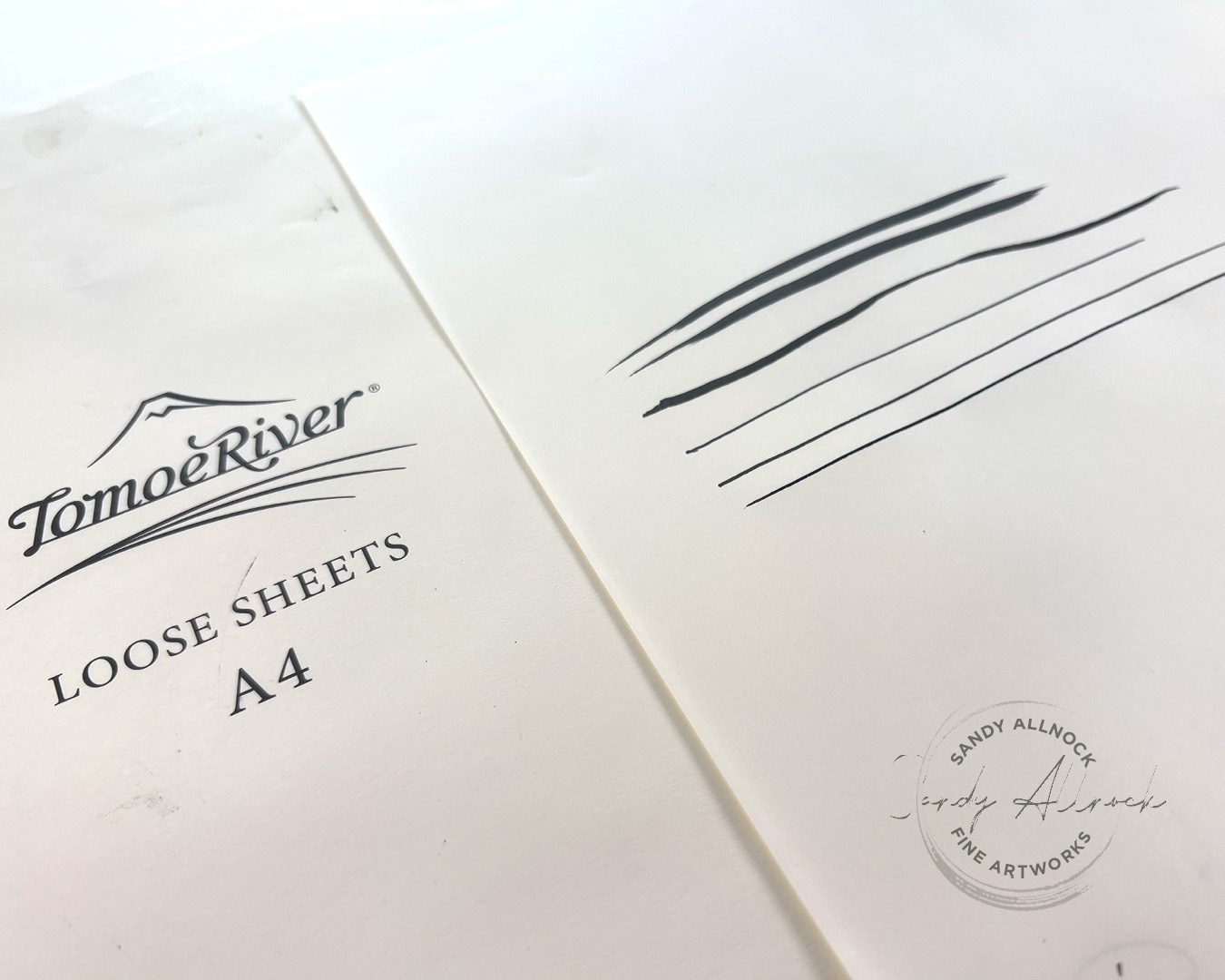
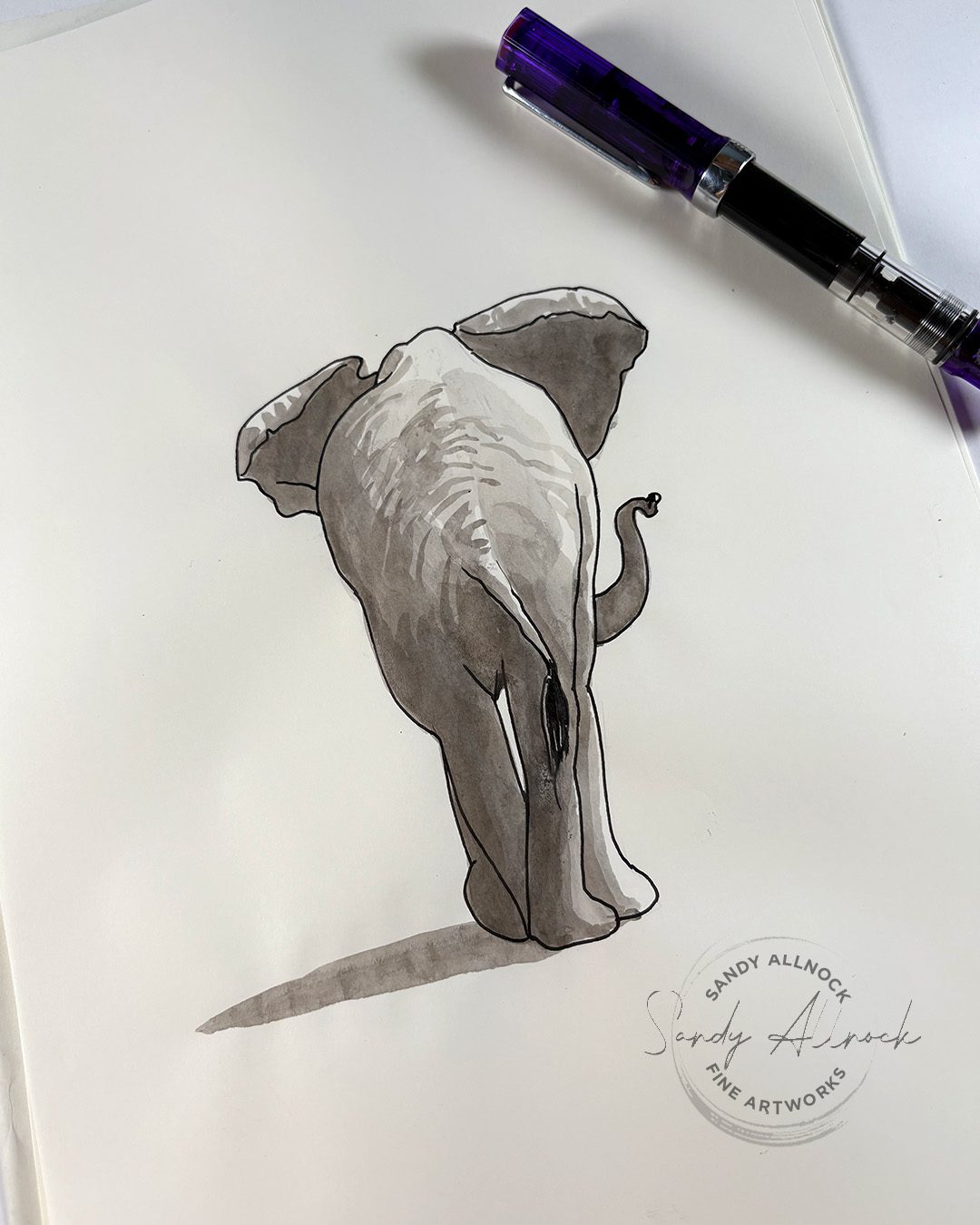
Tomoe River Paper has been around a long time, and was a favorite for ink artists and calligraphers. I kinda wish I’d known about it then! But over the course of a number of years, the paper went through a lot. The decommissioning of one machine, then another, then the sale of the paper to another company, Sanzen. Calligraphers have panned it, mostly because of feathering – and if that’s a big part of your work, I can totally see it.

Does that mean Tomoe River Paper is now useless? Maybe it’s not helpful for those whose work depends on crisp lines. If you know me and my sketchy style, I’ve never panicked over feathering a little from time to time. (My all time fave paper for pen and ink is Hahnemule’s Lettering Paper if I need a really crisp line, and I’m now becoming aware of some others that calligraphers recommend. Stay tuned.)

I tested out a few different black pens as well as fountain and dip pen….and yes, various amounts of feathering if you look really really close. Not a dealbraker for me, but yes, it’s there!

I’ve used this paper for more than pen and ink, though. Primarily Bible journaling, but maybe more in my future, after some revelations that clicked in my brain!

Tutorial: What is Tomoe River paper?

Watch the video below and scroll to the end to leave comments or questions — or click HERE to watch it on YouTube and leave comments over there. I read both dutifully!

SUPPLIES

Some product may be provided by manufacturers for review and use. Compensated affiliate links are here at no cost to you. I appreciate your support of my work with your purchases! Full affiliate and product disclosure | My trusted partners in art

Paper

  1. Tomoe River Paper pack A4, 52gsm (loose sheets) 
  2. Tomoe River sketchbook A5 68gsm (bound journal) 

Pen and ink:

  1. TWSBI Eco fountain pen M 
  2. Platinum Carbon Fountain Pen Ink 

Graphite:

  1. Caran d’Ache Grafwood pencils 9B: BLICK  AMZ  JACKSONS

Colored Pencil:

  1. Prismacolor Premier Colored Pencils: BLICK   AMZ 
  2. Afmat Long Point Pencil Sharpener Hand-powered 
  3. Afmat Long Point Pencil Sharpener USB rechargeable 
  4. Copic Acrea Paint Marker white: BLICK  AMZ 

Wet media tips

While this was once known as great paper for inking – the amount of liquid matters. Maybe one day it hadn’t mattered – although I do find I struggle with Sumi-e papers buckling too, so maybe it’s user error!

For Bible journaling I love watercolor and washes of color or ink enough that I’m good with somewhat wrinkly pages. To mostly flatten them I iron them (cotton setting) for 10-15 seconds between a few sheets of computer paper. I say “mostly” flatten – but remember we’re talking about paper. The buckling is sometimes turned into fine wrinkles in the paper. Not in a terrible way, IMHO – I’m not expecting perfection. But for art that I want to sell or frame, this paper wouldn’t work for me – not for washes.

But for line art, it’s fine, primarily for sketching and doodling. Most pens won’t bleed through, and it works nicely – though with slight feathering. So it depends on how bothered you might be by that. Again, I’m not sure I’d be selling anything on this paper that isn’t truly labeled a sketch, but for inexpensive paper that I can play with? It’s awesome. 

Graphite sketching – and kiddos

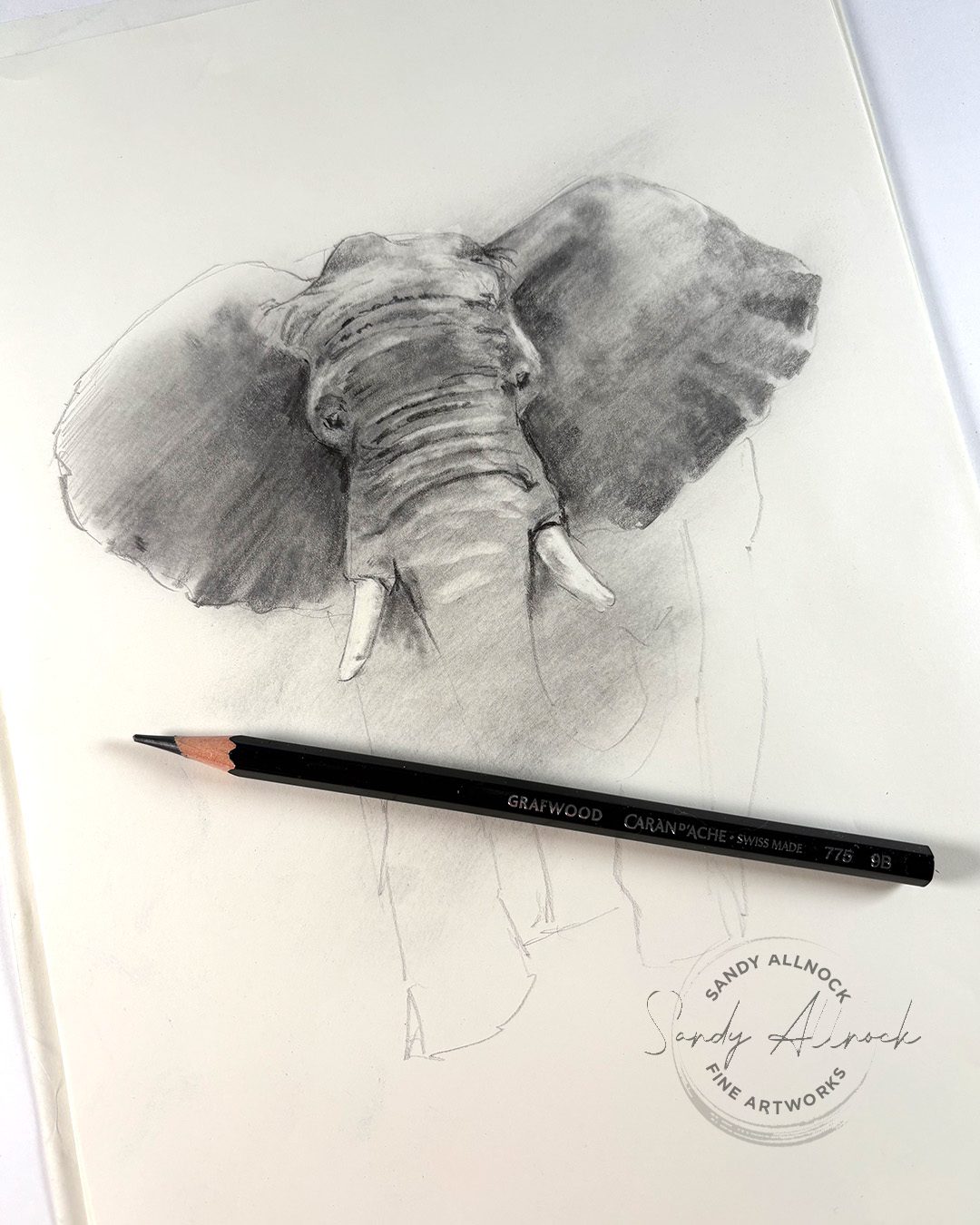
The smooth surface of this paper is lovely for graphite. The pigment rests on the top of the surface – no tooth to hide pigment down in the valleys of the paper. Which means blending methods work more immediately than a lot of papers I’ve regularly used! 

A simple cotton ball can soften and blend easily. Gamsol enriches the blackness, and drawing on top of wet blended areas comes out darker. Erasing can lighten areas, from soft kneaded eraser lifting blended highlights, or a stick eraser to draw with. The value range is pretty much off the charts.

The price here is a big benefit as well. I’ve talked with parents of kids who obsessively draw – and they ask what they should do with ALL THOSE SKETCHBOOKS they keep buying for their children. This paper is less expensive in its loose-sheet format than most sketchbooks (100 sheets for about $12-13), and the parent can spirit away some of the best drawings or the ones that mark special milestones or stories. (Parents, SAVE YOUR KIDS ART! What I wouldn’t do to have more of mine….)

Subscribe to receive blog posts by email:

Colored Pencils 

The same tips for graphite also apply to colored pencil – layering, blending, gamsol, tools, and techniques. But using artist grade pencils works better for more saturated drawing; the pencils you can get at the drugstore or grocery store are for kiddos, and have more binder than pigment in them. Your kids can still get some potential benefit from Gamsol, but I’d recommend getting even a small pack of good pencils. 

Bible journaling

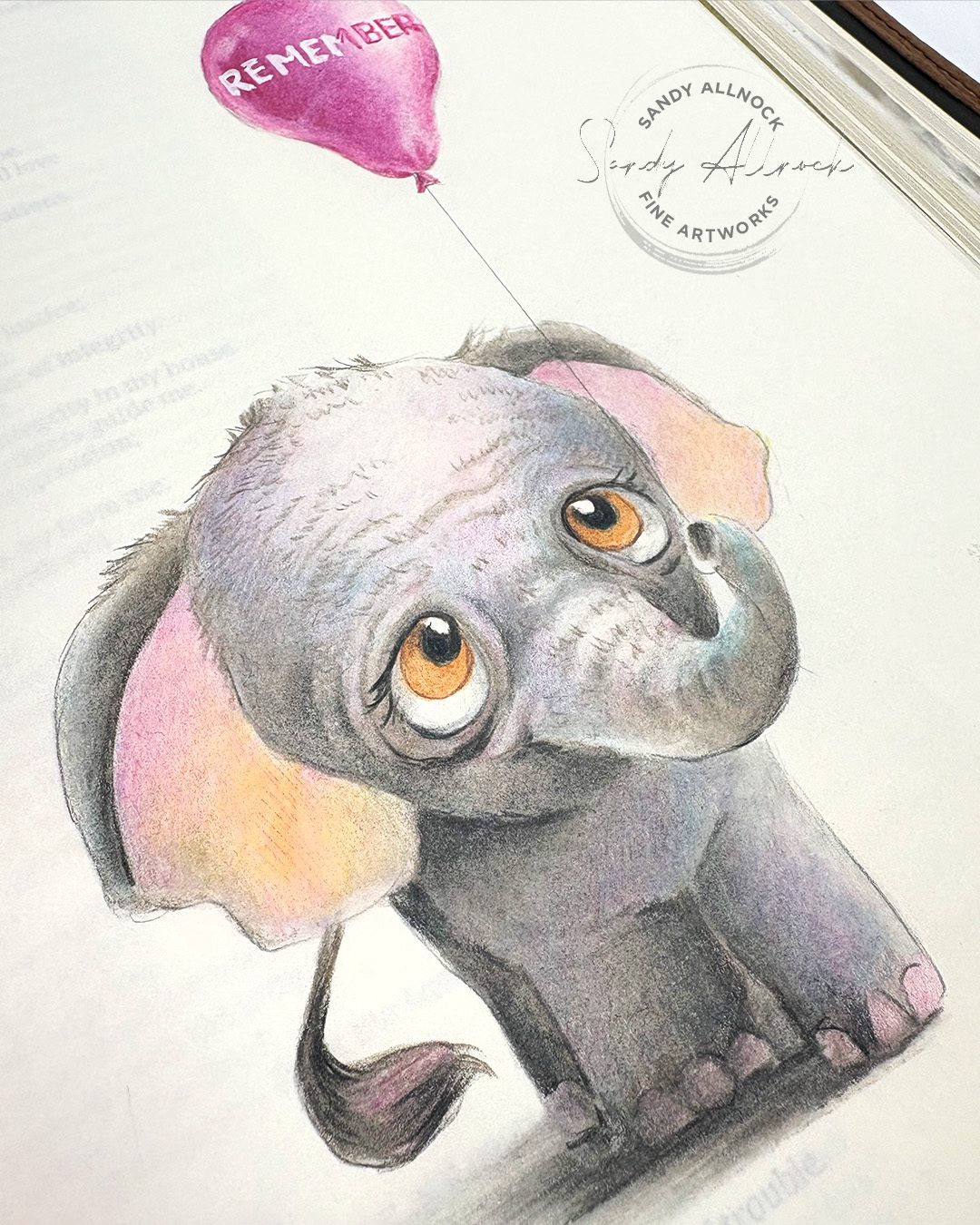
If you’re new to the concept of Bible Journaling, I’d recommend one of my courses to get yourself started; I find colored pencils are my top recommendation of a medium to start with since we all know how to hold a pencil! The whole point of Bible journaling is creating while in an attitude of worship, documenting what you’ve learned from a particular passage of Scripture, or a prayer in your heart inspired by the text. I find that creating imagery helps to cement those ideas in my mind and provide me with other reminders in daily life of what the picture was about – this elephant is paired with a passage about remembering God’s faithfulness….my next trip to the zoo might well help me recall that when I see the elephants.

Fruit of the Spirit class

As seen in the samples in the video – 9 of the images taught in the class are animals, and then I added the fruit for the 10th (I have a thing for round numbers!) The images are taught at full page size for ease of working with the techniques but feel free to use the smaller images in a column-style journaling Bible.

The new class could well be a little much if you’re truly brand new, but if you’ve got some drawing experience, colored pencil isn’t that different, so the new course could work out great for you.

Deferred art supply maintenance: GAHHHHHHH

Deferred art supply maintenance: GAHHHHHHH

In the past week I finally finished getting everything shot, voiced, written, and uploaded – WHEEE! – for the new Colored Pencil Hex Art class. Sometimes *I* learn lessons myself that aren’t related to the class…and this one did just that.


I was muddling along with the few blending stumps (also called stomps!) that were clean. I have DOZENS but they were all in bad need of repair, so I thought, “Hey, I can defer that, no biggie!”

But when the grey rocks in one of the lessons went green because I thought the mess on the end was all grey and not green….well, that was my sign.

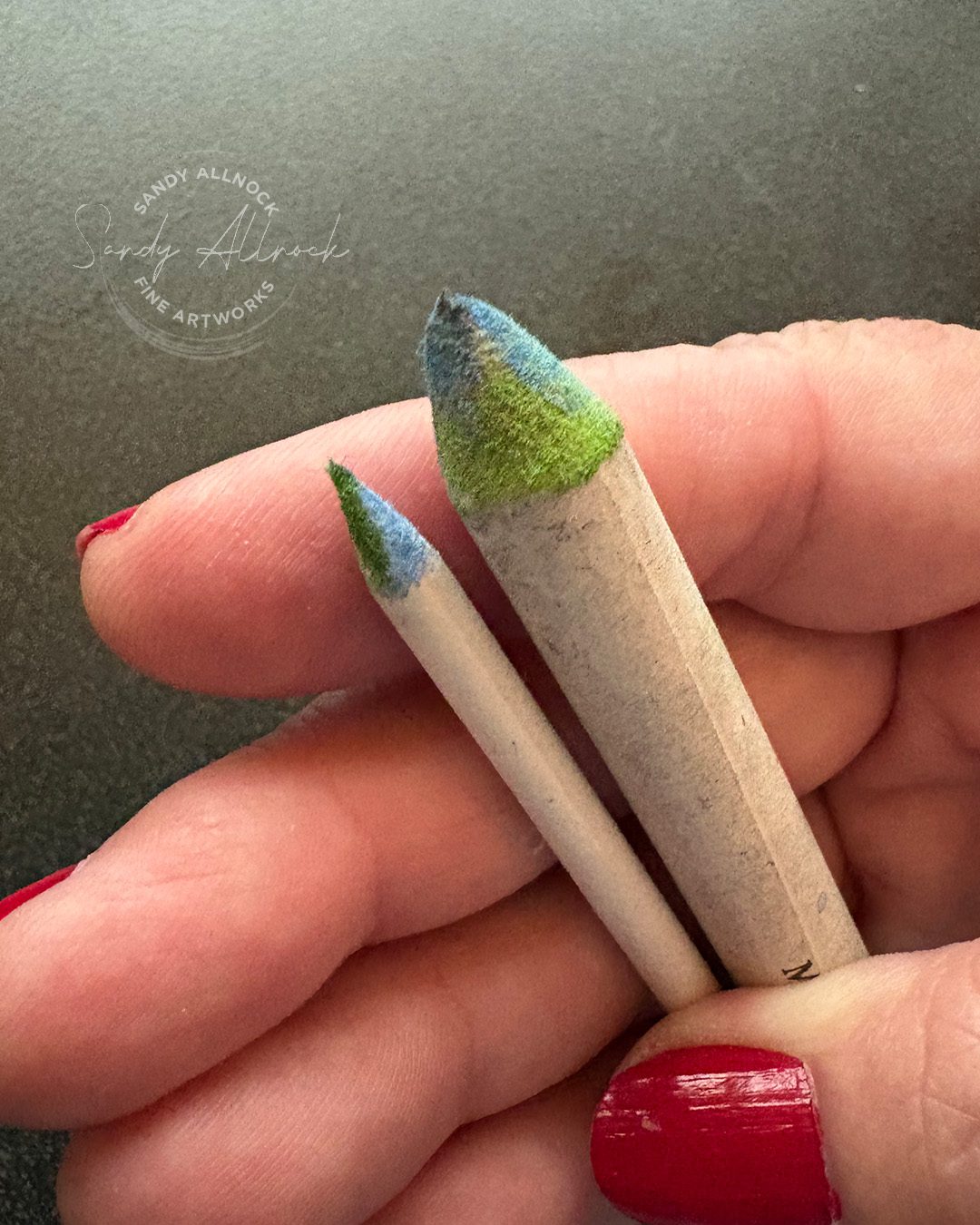
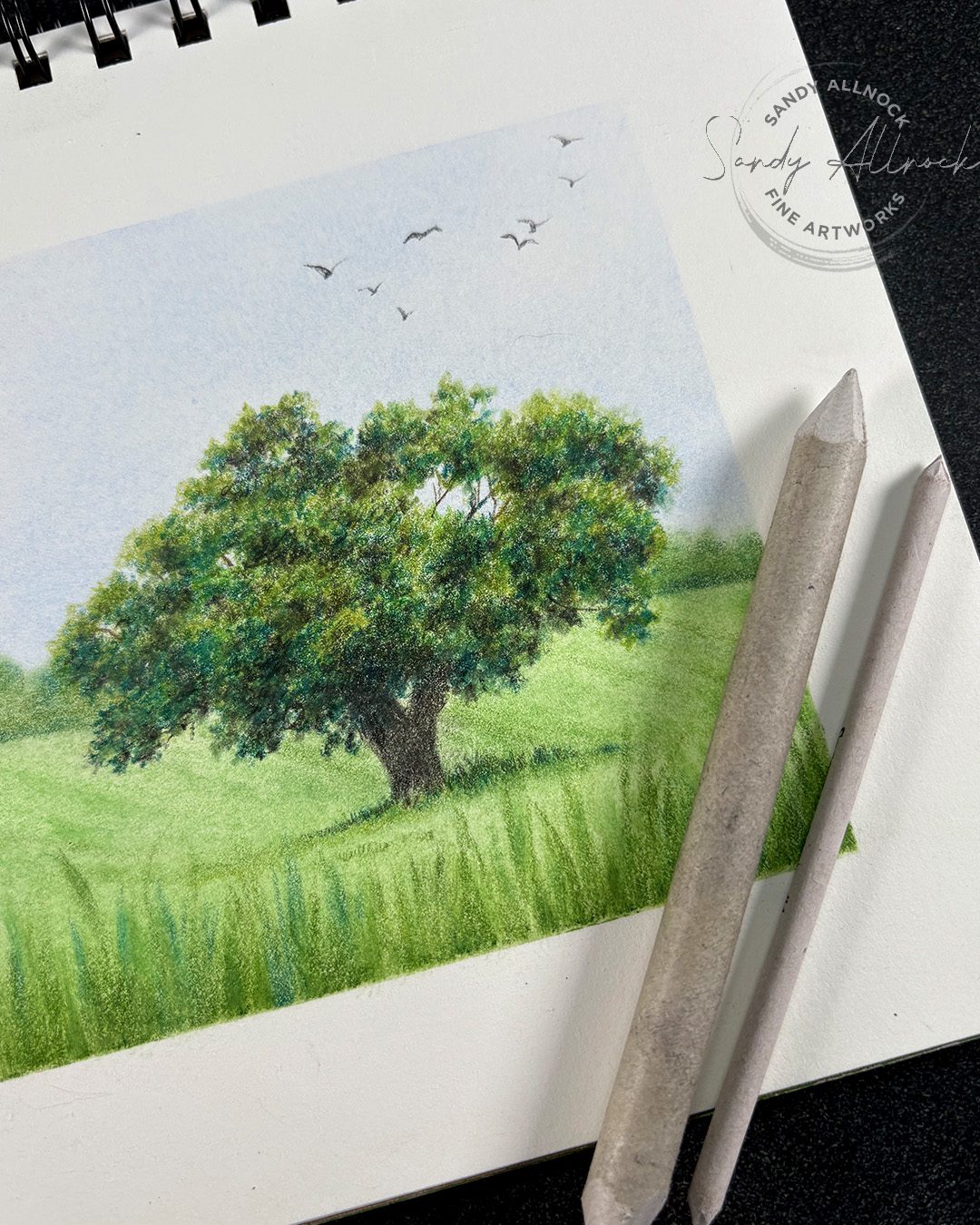
(No it wasn’t this one but I forgot to get a pic of it, so this fuzzy little bugger will stand in its place!)


Tutorial: Deferred art supply maintenance: GAHHHHHHH

Watch the video below and scroll to the end to leave comments or questions — or click HERE to watch it on YouTube and leave comments over there. I read both dutifully!

SUPPLIES

Some product may be provided by manufacturers for review and use. Compensated affiliate links are here at no cost to you. I appreciate your support of my work with your purchases! Full affiliate and product disclosure | My trusted partners in art

Pencils & sharpener

  1. Faber Castell Polychromos Colored Pencils BLICK   AMZ   JACKSONS 
  2. Afmat Long Point Pencil Sharpener USB rechargeable

Paper

  1. Legion Stonehenge 7×7 pad BLICK  AMZ   JACKSONS 

Blending stumps and tools

  1. Richeson Blending Stumps BLICK   AMZ   JACKSONS
  2. Xacto Sur Grip Utility Knife
  3. Gamblin Gamsol Blending solution BLICK  AMZ
  4. Jars for solvents

    The point…and the paper rubble

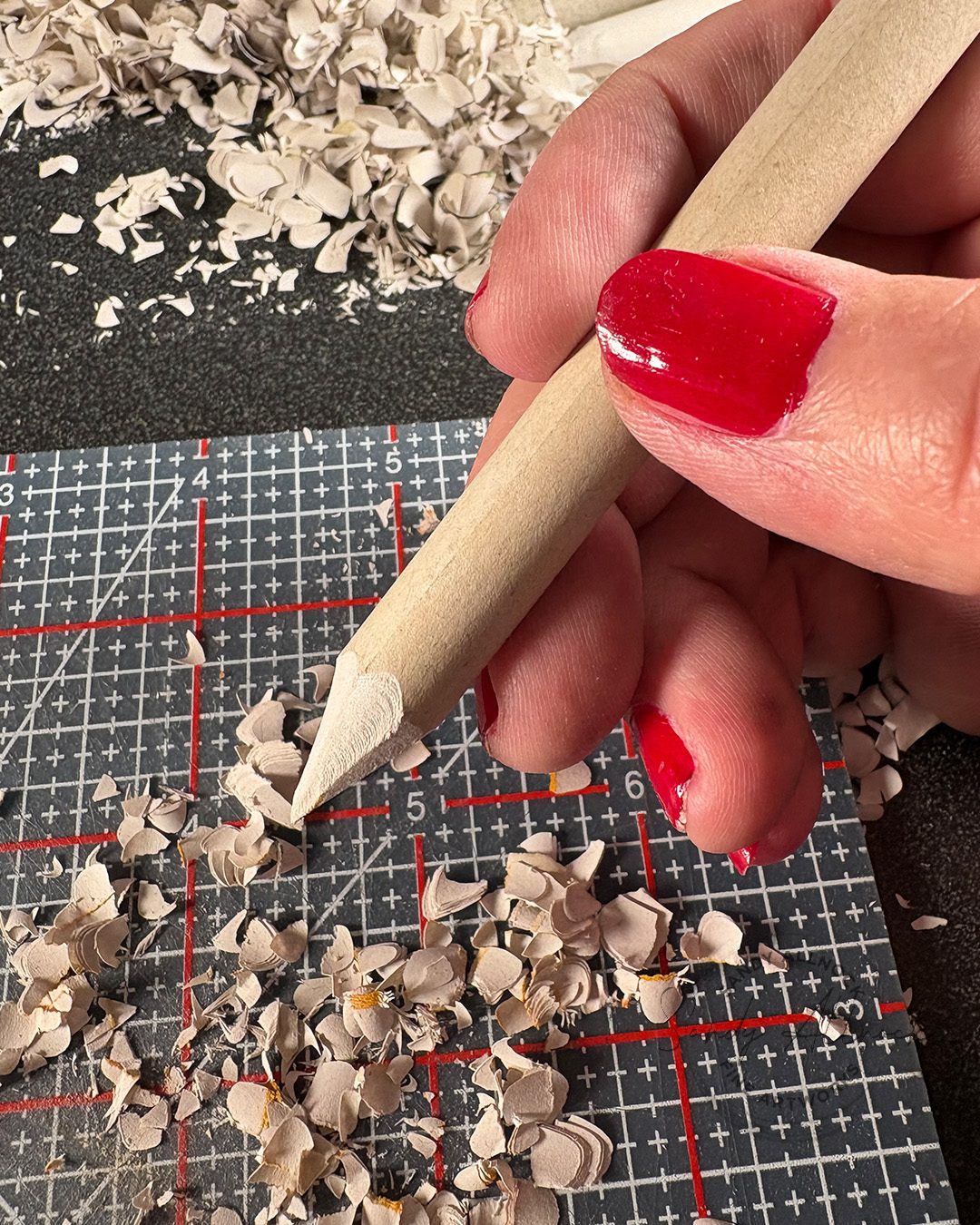
    If you’re doing more small drawing with the stump/stomp then you’ll want the tip sharper. If you use it more for blending wide areas using the side, then sand it down and make it soft like in the first photo in this post.

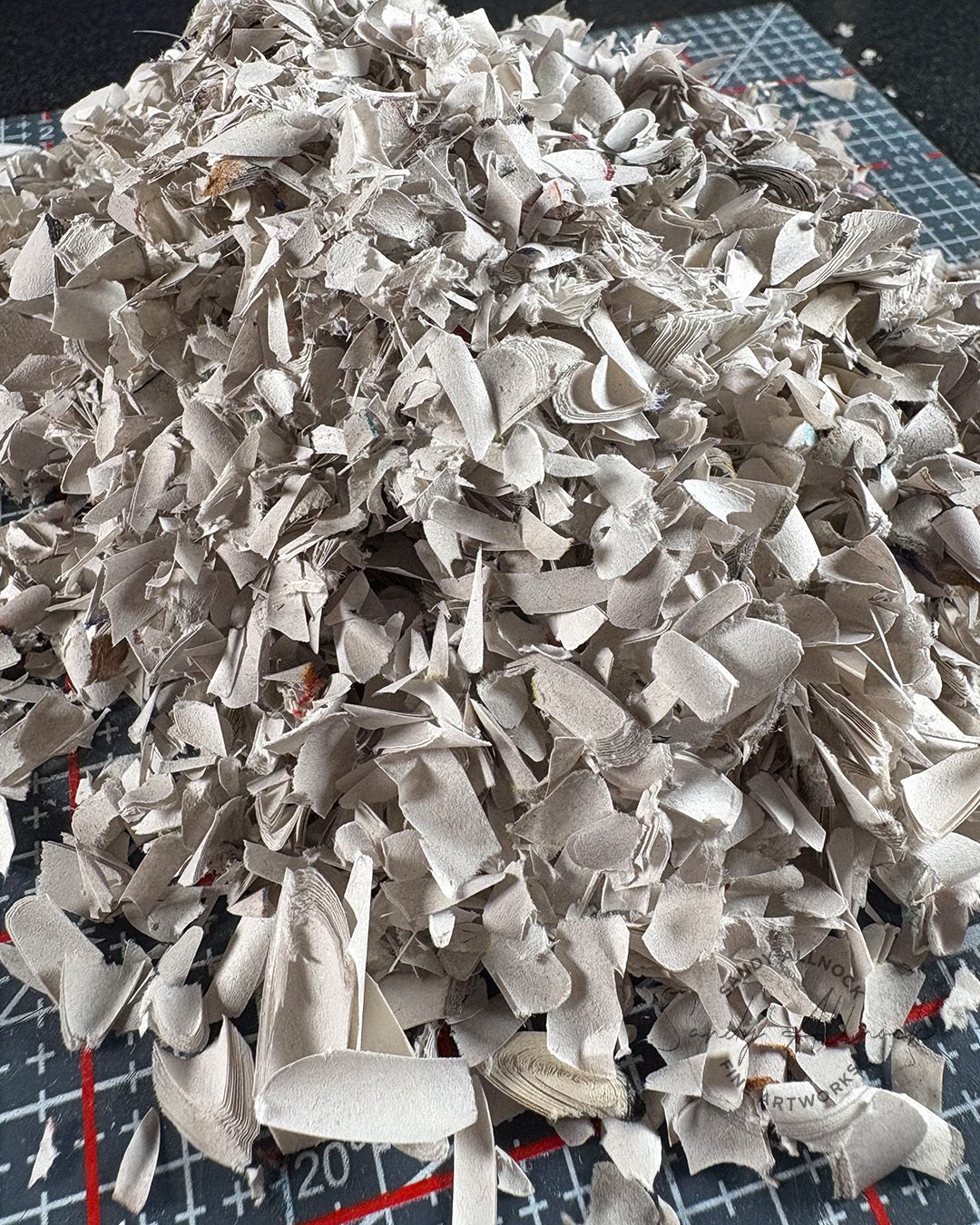
    But be prepared for rubble galore if you wait and do a ton of them at the same time!

    Usually I have my detail scissors at hand and cut the tip to the shape I need right at that moment, but in this case I used the knife for everything, then if I need them softer for a project, I can file the size I need at that time.

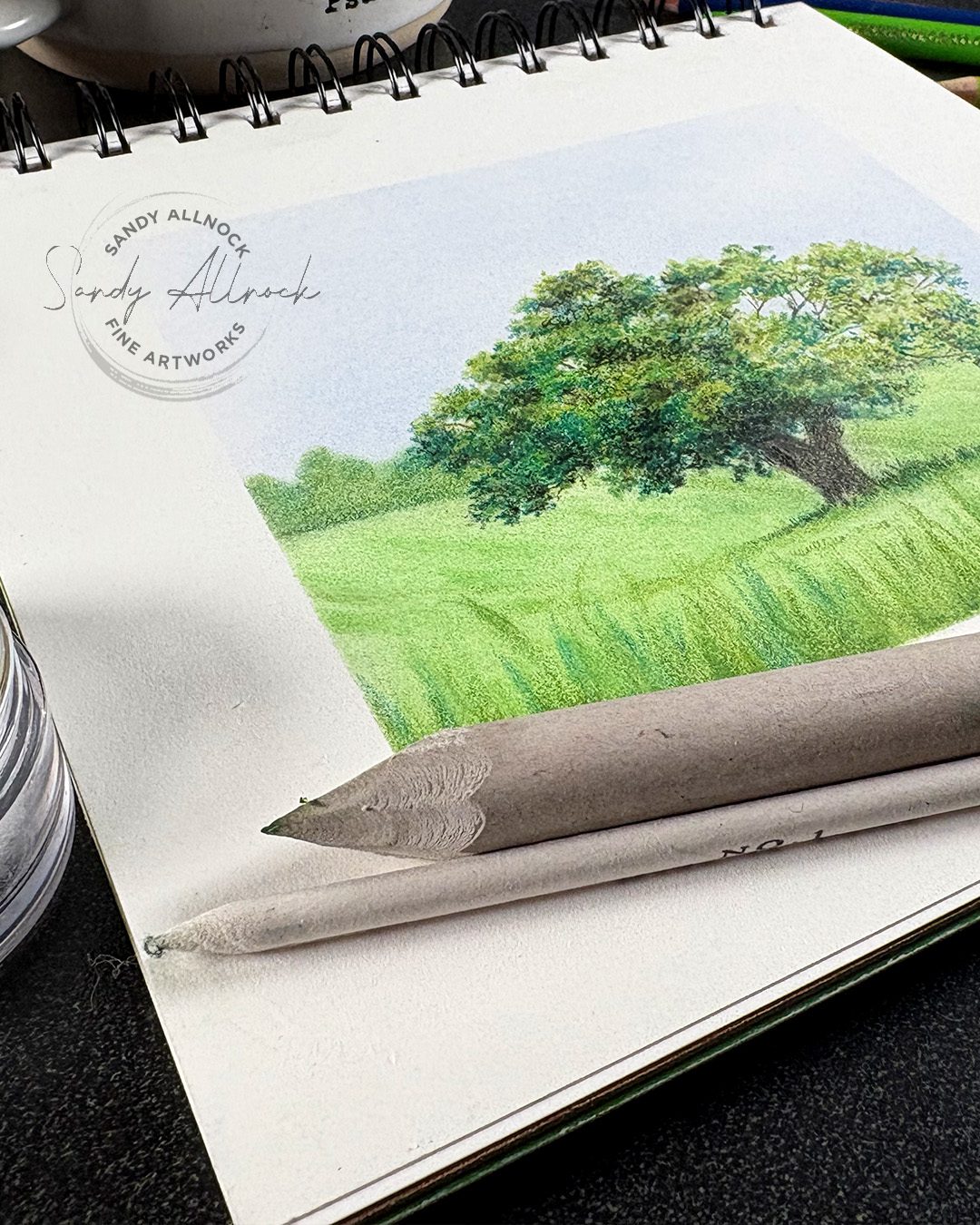
    Half and half

    The tree is half blended with gamsol, half isn’t done yet. So you can see what a nice job it’ll do! The background – grasses, distant trees, and sky – is all blended with various dry blending techniques including cotton balls and qtips as well as a stomp.

    Subscribe to receive blog posts by email:

    Variety in your colored pencil drawing

    Having a lot of techniques at your fingertips can really help you to include great variety in whatever art you make with pencils – and I gathered a ton of them together in the new class. This tree is one of them, it’s approximately in the middle of the hex art page; with all of those drawings they were very small, and many times I found myself thinking, “I want to draw this photo reference again, larger so I can get into the details!”

    As I do so, I’ll add them to the lessons in class. Not as video, but to show students what it can look like when created in a larger setting.


    Colored Pencil Hex Art Class

    Dive in and learn how to use different pencil techniques to advance your art skills! You’ll learn 42 techniques, taught in a systematic way so the ideas build upon each other. The finished product is a beautiful piece of Hex Art suitable for framing and displaying in the studio!